

What is Infertility?
Infertility is defined as the inability to conceive after one year of regular, unprotected intercourse. It can affect both men and women and may result from various physical, hormonal, genetic, or lifestyle-related factors.
Common Causes of Infertility
Female-related causes:
Hormonal imbalance
PCOS (Polycystic Ovary Syndrome)
Blocked fallopian tubes
Endometriosis
Age-related decline in fertility
Male-related causes:
Low sperm count
Poor sperm motility
Abnormal sperm morphology
Hormonal disorders
Other factors:
Stress and lifestyle issues
Obesity or poor nutrition
Genetic conditions
Unexplained infertility
What is IVF Treatment?
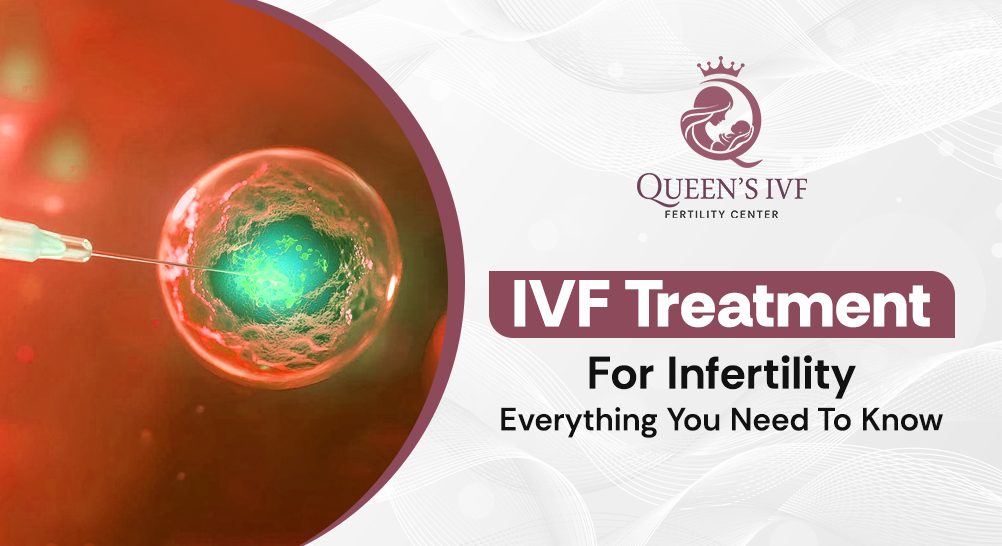
IVF (In Vitro Fertilization) is a medical procedure in which eggs are retrieved from the ovaries and fertilized with sperm in a laboratory. The fertilized egg develops into an embryo, which is then transferred into the uterus to achieve pregnancy.
In simple terms, IVF helps couples conceive when natural pregnancy is difficult or not possible.
Step-by-Step IVF Treatment Process
IVF treatment involves multiple stages designed to maximize the chances of successful pregnancy.
1. Initial Consultation and Fertility Assessment
The IVF journey begins with detailed fertility evaluation, including:
Hormone tests
Ultrasound scans
Semen analysis
Medical history review
2. Ovarian Stimulation
Hormonal medications are prescribed to stimulate the ovaries to produce multiple mature eggs instead of a single egg.
3. Egg Retrieval
Once the eggs are mature, they are retrieved through a minimally invasive procedure under medical supervision.
4. Fertilization in the Laboratory
The retrieved eggs are fertilized with sperm using advanced techniques such as:
Conventional IVF
ICSI (Intracytoplasmic Sperm Injection)
5. Embryo Development
The fertilized eggs develop into embryos in a controlled laboratory environment.
6. Embryo Transfer
A healthy embryo is selected and transferred into the uterus.
7. Pregnancy Test and Follow-Up
After embryo transfer, a pregnancy test is conducted to confirm implantation and pregnancy.
Who Should Consider IVF Treatment?
IVF treatment is recommended for couples who face:
Difficulty conceiving for more than 12 months
Female infertility issues
Male infertility problems
Recurrent miscarriages
Unexplained infertility
Genetic disorders
It is also suitable for women above 35 years who experience age-related fertility decline.
Benefits of IVF Treatment
IVF offers several advantages for couples struggling with infertility:
High success rates compared to other fertility treatments
Solution for complex infertility cases
Advanced reproductive technology
Personalized treatment plans
Opportunity for genetic screening
IVF Success Factors
The success of IVF treatment depends on multiple factors, including:
Age of the woman
Quality of eggs and sperm
Underlying fertility conditions
Lifestyle and health factors
Choosing an experienced fertility clinic and following a healthy lifestyle can significantly improve the chances of successful outcomes.
IVF Treatment Approach
The approach to IVF treatment varies from couple to couple, as every fertility case is unique. Treatment plans are designed after detailed medical evaluation to ensure the most suitable and effective fertility care.
Personalized treatment planning plays a crucial role in improving IVF outcomes and ensuring safe, ethical, and effective fertility solutions.
Risks and Side Effects of IVF
Although IVF is considered safe, it may involve certain risks:
Multiple pregnancies
Ovarian hyperstimulation syndrome (OHSS)
Emotional and physical stress
Procedure-related complications
However, with proper medical supervision and advanced technology, these risks can be effectively managed.
Why IVF Treatment is a Hope for Infertile Couples
IVF has transformed infertility treatment by offering hope to couples who previously had limited options. With continuous advancements in reproductive medicine, IVF has become safer, more effective, and more accessible.
It not only provides medical solutions but also emotional support to couples on their parenthood journey.
FAQs About IVF Treatment for Infertility
1. Is IVF treatment painful?
IVF involves minimally invasive procedures. Some discomfort may occur, but it is usually manageable.
2. How many IVF cycles are required to get pregnant?
Some couples conceive in the first cycle, while others may need multiple cycles depending on their fertility condition.
3. What is the ideal age for IVF?
Success rates are generally higher in women below 35 years, but IVF can be considered at different ages based on medical evaluation.
4. Does IVF guarantee pregnancy?
No, IVF does not guarantee pregnancy, but it significantly improves the chances of conception.
5. How long does an IVF cycle take?
One IVF cycle typically takes around 4 to 6 weeks.
6. Can IVF help male infertility?
Yes, IVF combined with advanced techniques like ICSI is effective for male infertility.
7. Is IVF safe for the baby?
Yes, babies born through IVF are generally healthy, but regular medical monitoring is important.
8. Can lifestyle changes improve IVF success?
Yes, maintaining a healthy lifestyle, balanced diet, and stress management can positively impact IVF outcomes.
Conclusion
IVF treatment has revolutionized infertility care by providing an effective solution for couples struggling to conceive. With advanced reproductive technology, personalized treatment approaches, and expert medical care, IVF has become one of the most successful fertility treatments available today.
If you are facing infertility challenges, IVF treatment can be a powerful step toward achieving your dream of parenthood.