


Advanced Blocked Fallopian Tubes Treatment for Your Parenthood Journey
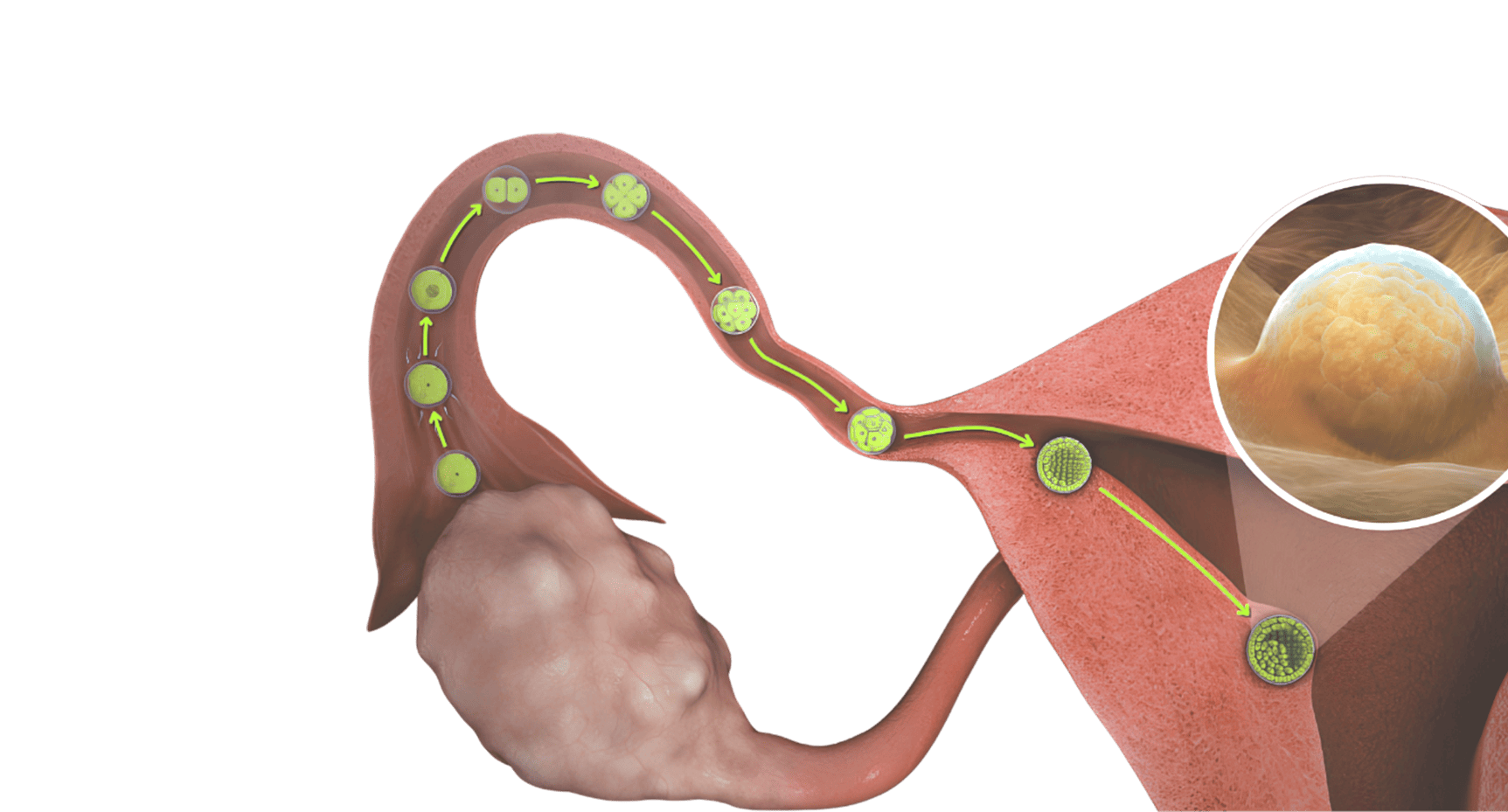
Blocked Fallopian Tubes is an advanced gynaecological condition in which one or both fallopian tubes become obstructed due to infection, inflammation, or structural damage, preventing the natural meeting of egg and sperm and significantly reducing the chances of natural conception. The condition is then carefully evaluated to guide the most effective and personalized fertility treatment plan. Infertility can be an emotionally challenging experience, but with the right medical expertise and advanced technology, parenthood is possible. Queen's IVF, a trusted fertility centre in New Delhi and Delhi NCR, offers comprehensive blocked fallopian tubes treatment tailored to each patient's unique needs.
Blocked Fallopian Tubes treatment is a structured series of advanced diagnostic and therapeutic procedures designed to help women accurately identify the location and severity of tubal obstruction, restore tubal patency where possible, and achieve a successful pregnancy. The process involves imaging evaluation, tubal patency testing, targeted surgical intervention, and specialized assisted reproductive planning tailored to each patient's individual tubal health and fertility goals.

The blocked fallopian tubes treatment journey begins with an initial consultation, where the fertility specialist reviews the woman's complete medical history, previous pelvic infection history, prior surgical reports, and past fertility treatment attempts. Detailed evaluation helps identify key tubal obstruction concerns and guides the most appropriate diagnosis and personalized blocked fallopian tubes management plan. During this stage, both partners are assessed to ensure a thorough understanding of their reproductive health. This personalized approach allows the medical team to design a targeted and efficient blocked fallopian tubes treatment protocol.

Once the initial consultation is complete, specialized tubal patency tests including hysterosalpingography, sonohysterography, or laparoscopic chromopertubation are carefully performed to accurately assess the location, extent, and nature of the fallopian tube blockage affecting fertility. These evaluations provide critical insights into tubal anatomy and overall reproductive tract health before designing the most appropriate personalized blocked fallopian tubes treatment approach.

A detailed investigation is carefully performed to identify the specific underlying cause of tubal blockage, whether pelvic inflammatory disease, endometriosis, prior ectopic pregnancy, or post-surgical adhesions, followed by targeted anti-inflammatory or medical management where appropriate. This evaluation uses advanced clinical tools to ensure accuracy and precise identification of the root cause of tubal obstruction before proceeding with surgical or assisted reproductive intervention.

A specialized minimally invasive laparoscopic procedure is carefully performed to surgically address tubal blockages through salpingostomy, fimbrioplasty, or adhesiolysis depending on the location and nature of the obstruction, aiming to restore natural tubal function where surgically feasible. Advanced laparoscopic techniques ensure safety and precise correction of tubal abnormalities with minimal disruption to surrounding reproductive structures and overall pelvic health. This stage focuses on restoring natural tubal patency and function where surgically possible, directly improving the chances of natural conception or enhancing the suitability of the reproductive tract for assisted fertility treatment.

The final stage of blocked fallopian tubes treatment involves designing a comprehensive assisted reproduction plan incorporating IVF as the primary fertility solution when surgical correction is not feasible or has been unsuccessful, bypassing the blocked tubes entirely through laboratory fertilization and direct uterine embryo transfer. These recommendations help identify the most viable fertility pathway and address every possible conception option available to women with tubal factor infertility. Advanced IVF planning ensures no tubal infertility concern is overlooked, enabling the specialist to recommend the most effective and personalized assisted reproductive treatment pathway for achieving successful pregnancy despite blocked fallopian tubes.
Blocked Fallopian Tubes treatment is a structured series of advanced diagnostic and therapeutic procedures designed to help women accurately identify the location and severity of tubal obstruction, restore tubal patency where possible, and achieve a successful pregnancy. The process involves imaging evaluation, tubal patency testing, targeted surgical intervention, and specialized assisted reproductive planning tailored to each patient's individual tubal health and fertility goals.

When a woman with a history of pelvic inflammatory disease, chlamydia, or repeated pelvic infections is unable to conceive naturally, blocked fallopian tubes evaluation and treatment is strongly recommended. Timely tubal assessment helps identify obstruction caused by infection-related scarring and improves the chances of successful fertility treatment.

Prior ectopic pregnancy, emergency salpingectomy, or tubal repair surgery may have caused permanent structural damage or scarring significantly reducing the functional patency of the remaining fallopian tube. Blocked fallopian tubes treatment helps evaluate residual tubal function and guides the most appropriate fertility intervention.

Endometriosis-related adhesions, peritubal scarring, or direct endometrioma involvement can progressively obstruct fallopian tube function and significantly reduce the chances of natural egg and sperm transport. Blocked fallopian tubes treatment helps identify the extent of endometriosis-related tubal involvement and guides the right personalized surgical and fertility management approach.

When no successful natural conception has occurred and imaging reveals fluid-filled blocked fallopian tubes, blocked fallopian tubes evaluation offers an effective solution by thoroughly investigating every possible structural, inflammatory, or surgical management option available.

As untreated hydrosalpinx or blocked fallopian tubes can silently leak fluid into the uterine cavity and significantly reduce IVF implantation rates. Blocked fallopian tubes treatment improves IVF outcomes by evaluating and addressing tubal issues under expert reproductive and surgical supervision.

When existing routine fertility investigations have failed to identify a clear cause of infertility, comprehensive tubal evaluation is often recommended as the most effective next step for accurate diagnosis and personalized fertility management planning.
Find quick answers, or reach out to our support team for more help.
Queens IVF is a leading fertility clinic dedicated to helping couples achieve their dream of parenthood with advanced treatments and compassionate care.
© 2026 All rights reserved by Queens IVF Clinic