


Advanced Uterine Fibroids Treatment for Your Parenthood Journey
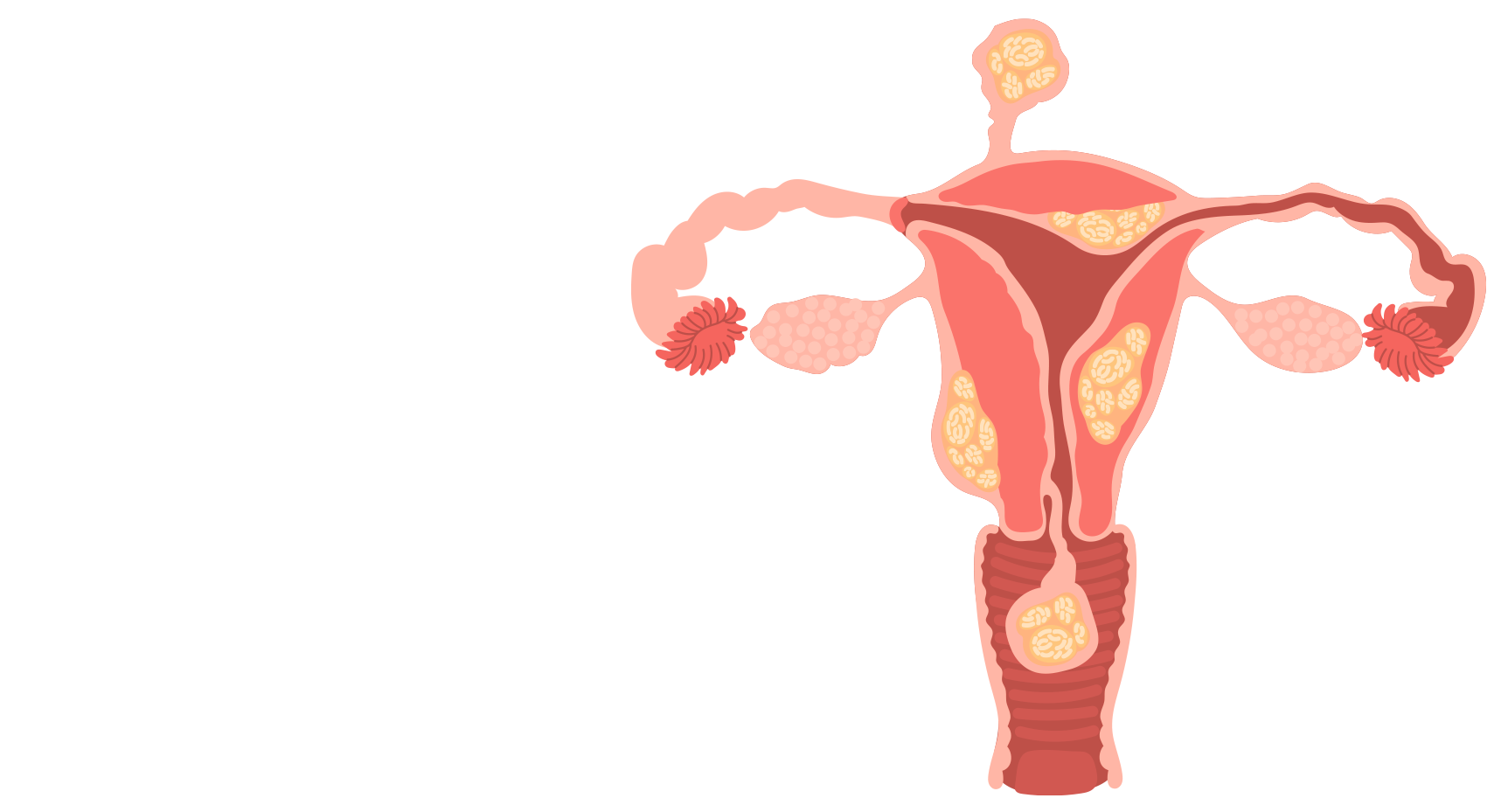
Uterine Fibroids is an advanced gynaecological condition in which non-cancerous muscular growths develop within or around the uterine wall, potentially distorting the uterine cavity, disrupting implantation, and significantly affecting a woman's ability to conceive and maintain a healthy pregnancy. The condition is then carefully evaluated to guide the most effective and personalized fertility treatment plan. Infertility can be an emotionally challenging experience, but with the right medical expertise and advanced technology, parenthood is possible. Queen's IVF, a trusted fertility centre in New Delhi and Delhi NCR, offers comprehensive uterine fibroids treatment tailored to each patient's unique needs.
Uterine Fibroids treatment is a structured series of advanced diagnostic and therapeutic procedures designed to help women accurately identify the size, location, and fertility impact of uterine fibroids, manage their effect on implantation, and achieve a successful pregnancy. The process involves imaging evaluation, fibroid classification, targeted medical or surgical intervention, and specialized post-treatment fertility monitoring tailored to each patient's individual uterine health and reproductive goals.
The uterine fibroids treatment journey begins with an initial consultation, where the fertility specialist reviews the woman's complete medical history, menstrual bleeding pattern, previous ultrasound reports, and prior gynaecological or fertility treatment attempts. Detailed evaluation helps identify key fibroid-related fertility concerns and guides the most appropriate diagnosis and personalized uterine fibroids management plan. During this stage, both partners are assessed to ensure a thorough understanding of their reproductive health. This personalized approach allows the medical team to design a targeted and efficient uterine fibroids treatment protocol.

Once the initial consultation is complete, a comprehensive transvaginal ultrasound and where indicated an MRI scan are performed to accurately map the number, size, location, and uterine cavity impact of all identified fibroids affecting fertility and implantation potential. These evaluations provide critical insights into fibroid characteristics and overall uterine anatomy before designing the most appropriate personalized uterine fibroids treatment approach. Ultrasound and MRI fibroid mapping is a crucial step in uterine fibroids treatment, as it determines the precise classification and uterine impact of each fibroid directly affecting the selection of the most appropriate medical or surgical fertility management plan.

A detailed fibroid classification assessment is carefully performed to categorize each fibroid as submucosal, intramural, or subserosal based on its location relative to the uterine cavity, followed by targeted hormonal or medical management to reduce fibroid size and symptom burden where appropriate before surgical intervention. This evaluation uses advanced clinical tools to ensure accuracy and precise identification of each fibroid's specific fertility impact before recommending the most appropriate treatment pathway. Fibroid classification and medical management is an essential uterine fibroids treatment step, as it determines the most appropriate initial therapeutic approach available for managing the specific fibroid type most directly affecting uterine receptivity and natural or assisted conception potential.
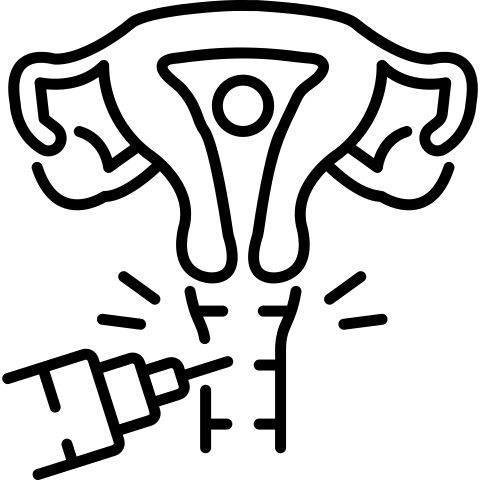
A specialized minimally invasive myomectomy procedure is carefully performed using hysteroscopic, laparoscopic, or open surgical techniques depending on the size, number, and location of fibroids to completely remove all fertility-affecting growths while preserving the structural integrity and reproductive function of the uterus. Advanced surgical techniques ensure safety and precise fibroid removal with maximum conservation of healthy uterine tissue and minimal disruption to surrounding reproductive structures. This stage focuses on completely restoring uterine cavity shape, endometrial receptivity, and structural integrity that may have been significantly compromised by fibroid growth directly interfering with embryo implantation and successful pregnancy maintenance.

The final stage of uterine fibroids treatment involves careful post-operative uterine healing assessment, endometrial receptivity evaluation, and design of a comprehensive fertility treatment plan incorporating IVF or natural conception attempts based on the individual's post-myomectomy uterine recovery and personal reproductive goals. These recommendations help confirm complete uterine healing and identify the most effective fertility pathway available to the patient following successful fibroid removal. Advanced post-surgical fertility planning ensures no uterine recovery concern is overlooked, enabling the specialist to recommend the most effective and personalized assisted reproductive treatment pathway for achieving successful pregnancy after uterine fibroids management.
Uterine Fibroids treatment is a structured series of advanced diagnostic and therapeutic procedures designed to help women accurately identify the size, location, and fertility impact of uterine fibroids, manage their effect on implantation, and achieve a successful pregnancy. The process involves imaging evaluation, fibroid classification, targeted medical or surgical intervention, and specialized post-treatment fertility monitoring tailored to each patient's individual uterine health and reproductive goals.

When a woman attempting to conceive has been diagnosed with one or more uterine fibroids confirmed on imaging, uterine fibroids evaluation and treatment is strongly recommended. Timely fibroid assessment and management helps address direct uterine cavity distortion and improves the chances of successful implantation and conception.

Significantly heavy periods, prolonged menstrual bleeding, or severe anaemia associated with known or suspected uterine fibroids may indicate active fibroid interference with normal uterine lining development and hormonal regulation. Uterine fibroids treatment helps identify the specific fibroid type and guides the most appropriate medical or surgical intervention.

Submucosal fibroids protruding into the uterine cavity can directly distort the endometrial surface and significantly reduce embryo implantation success rates in both natural and assisted conception cycles. Uterine fibroids treatment helps identify the precise cavity impact and guides the right personalized hysteroscopic or surgical management approach.

When no clear cause of repeated pregnancy loss is identified but uterine fibroids are present, uterine fibroids evaluation offers an effective solution by thoroughly investigating every possible fibroid location, size, and uterine cavity distortion factor contributing to pregnancy loss.
As uterine fibroids detected during pre-IVF baseline ultrasound assessment can silently distort the endometrial cavity and significantly reduce embryo implantation rates during treatment cycles. Uterine fibroids treatment improves IVF outcomes by evaluating and surgically correcting fibroid interference under expert reproductive supervision.

When existing large or multiple uterine fibroids are causing significant pelvic pressure, urinary symptoms, or pain alongside fertility concerns, comprehensive uterine fibroids surgical evaluation is often recommended as the most effective next step for accurate assessment and fertility-preserving fibroid management.
Find quick answers, or reach out to our support team for more help.
Queens IVF is a leading fertility clinic dedicated to helping couples achieve their dream of parenthood with advanced treatments and compassionate care.
© 2026 All rights reserved by Queens IVF Clinic