


Advanced Adenomyosis Treatment for Your Parenthood Journey
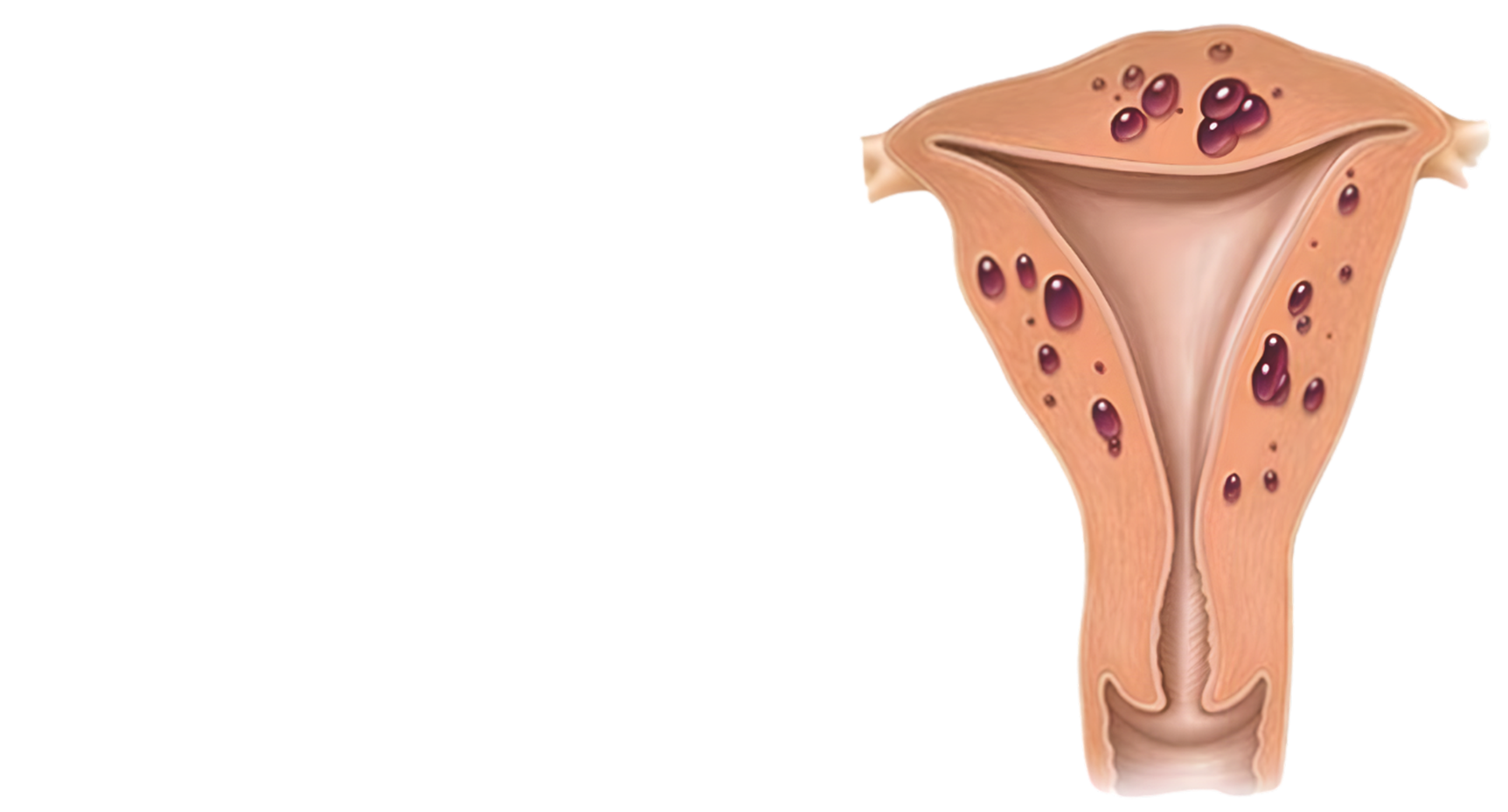
Adenomyosis is an advanced gynaecological condition in which the endometrial tissue that normally lines the uterus grows into the muscular wall of the uterus, causing the uterus to enlarge, disrupt normal implantation, and significantly affect a woman's ability to conceive and sustain a healthy pregnancy. The condition is then carefully evaluated to guide the most effective and personalized fertility treatment plan. Infertility can be an emotionally challenging experience, but with the right medical expertise and advanced technology, parenthood is possible. Queen's IVF, a trusted fertility centre in New Delhi and Delhi NCR, offers comprehensive adenomyosis treatment tailored to each patient's unique needs.
Adenomyosis treatment is a structured series of advanced diagnostic and therapeutic procedures designed to help women accurately identify the extent and fertility impact of adenomyosis, manage its effect on uterine receptivity, and achieve a successful pregnancy. The process involves imaging evaluation, hormonal suppression, targeted surgical or medical intervention, and specialized post-treatment fertility monitoring tailored to each patient's individual uterine health and reproductive goals.
The adenomyosis treatment journey begins with an initial consultation, where the fertility specialist reviews the woman's complete medical history, menstrual bleeding pattern, severity of pelvic pain, previous imaging reports, and prior gynaecological or fertility treatment attempts. Detailed evaluation helps identify key adenomyosis-related fertility concerns and guides the most appropriate diagnosis and personalized adenomyosis management plan. During this stage, both partners are assessed to ensure a thorough understanding of their reproductive health. This personalized approach allows the medical team to design a targeted and efficient adenomyosis fertility treatment protocol.

Ultrasound and MRI adenomyosis assessment is a crucial step in adenomyosis treatment, as it determines the precise extent and myometrial depth of adenomyotic involvement directly affecting the selection of the most appropriate hormonal suppression or surgical fertility management plan.
A detailed hormonal suppression protocol is carefully designed using GnRH agonists, progestins, or other targeted hormonal therapies to reduce adenomyosis activity, decrease uterine inflammation, and optimize the endometrial environment for improved embryo implantation success. This protocol uses advanced clinical monitoring tools to ensure accuracy and precise adjustment of suppression medications throughout the adenomyosis management cycle.
A specialized surgical procedure is carefully performed in selected cases to remove focal adenomyoma lesions or reduce diffuse adenomyosis burden through laparoscopic or open adenomyomectomy while preserving maximum uterine structural integrity for future pregnancy. Advanced surgical techniques ensure safety and precise adenomyosis tissue removal with minimal disruption to surrounding healthy myometrial tissue and overall uterine reproductive function.

The final stage of adenomyosis treatment involves careful post-treatment uterine recovery assessment, endometrial receptivity evaluation, and design of a comprehensive fertility treatment plan incorporating IVF with freeze-all embryo strategy or natural conception attempts based on the individual's post-treatment uterine health and personal reproductive goals. These recommendations help confirm complete uterine recovery and identify the most effective fertility pathway available to the patient following successful adenomyosis management.
Adenomyosis treatment is a structured series of advanced diagnostic and therapeutic procedures designed to help women accurately identify the extent and fertility impact of adenomyosis, manage its effect on uterine receptivity, and achieve a successful pregnancy. The process involves imaging evaluation, hormonal suppression, targeted surgical or medical intervention, and specialized post-treatment fertility monitoring tailored to each patient's individual uterine health and reproductive goals.

When a woman attempting to conceive has been diagnosed with or is suspected of having adenomyosis confirmed on ultrasound or MRI, adenomyosis evaluation and treatment is strongly recommended. Timely management helps address direct uterine receptivity disruption and significantly improves the chances of successful implantation and conception.

Significantly painful periods, heavy menstrual bleeding, or chronic pelvic pain associated with known or suspected adenomyosis may indicate active myometrial infiltration disrupting normal uterine function and endometrial receptivity. Adenomyosis treatment helps identify the specific extent of involvement and guides the most appropriate medical or surgical intervention.
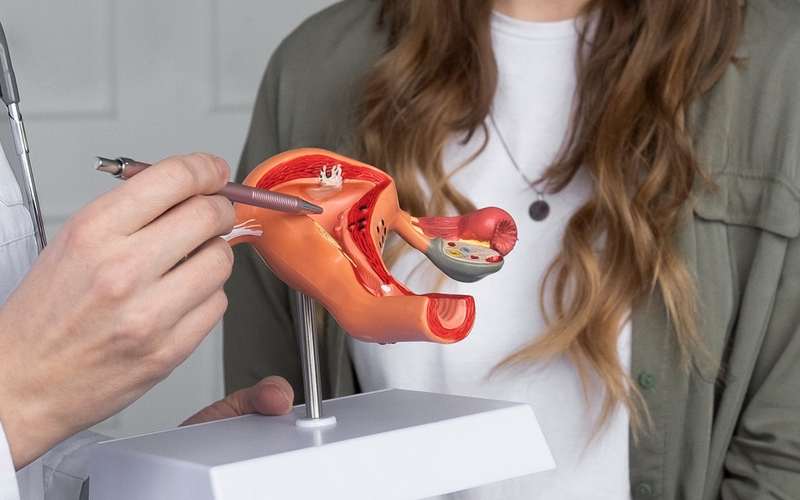
Adenomyosis-related uterine inflammation, junctional zone disruption, or impaired endometrial receptivity can directly reduce embryo implantation success rates in both natural and assisted conception cycles. Adenomyosis treatment helps identify the precise uterine impact and guides the right personalized hormonal suppression or surgical management approach.

When no clear cause of repeated pregnancy loss is identified but adenomyosis is present on imaging, adenomyosis evaluation offers an effective solution by thoroughly investigating every possible myometrial invasion depth, uterine contractility, and endometrial receptivity factor contributing to recurrent pregnancy loss.
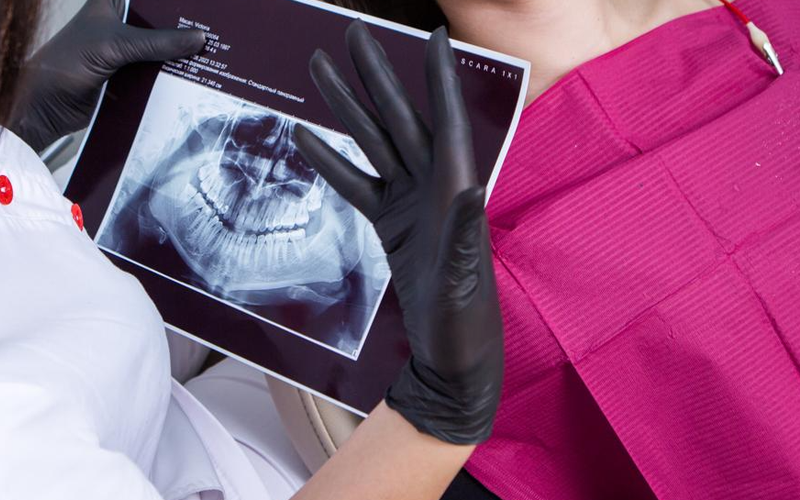
As adenomyosis-related uterine inflammation and impaired endometrial receptivity can silently reduce IVF implantation rates and increase the risk of early pregnancy loss during treatment cycles. Adenomyosis treatment improves IVF outcomes by evaluating and managing uterine involvement under expert reproductive and surgical supervision.

When existing adenomyosis is identified alongside concerns about progressive myometrial involvement and long-term fertility preservation, comprehensive adenomyosis evaluation is often recommended as the most effective next step for accurate staging and personalized fertility-preserving management planning.
Find quick answers, or reach out to our support team for more help.
Queens IVF is a leading fertility clinic dedicated to helping couples achieve their dream of parenthood with advanced treatments and compassionate care.
© 2026 All rights reserved by Queens IVF Clinic