

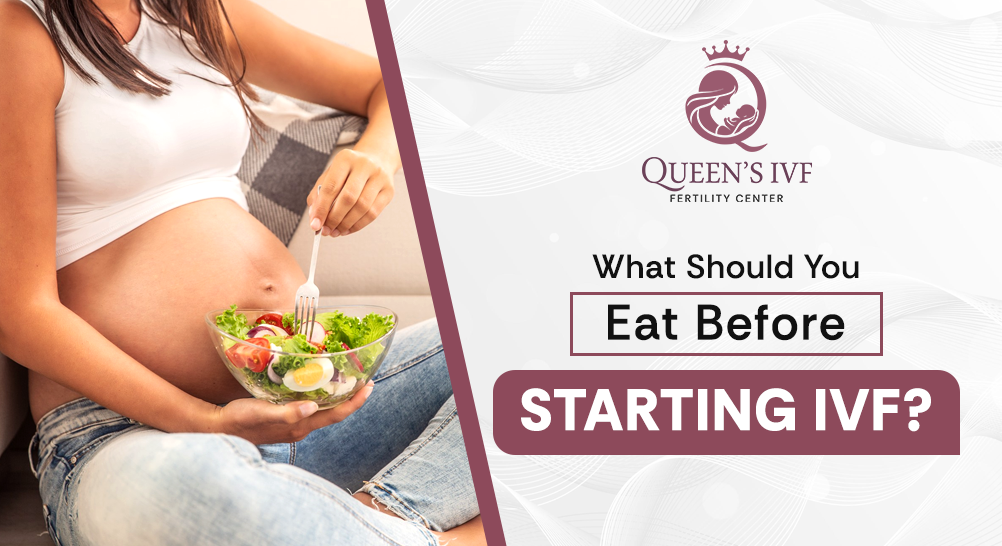
Diet is an important part of preparing for pregnancy, but no specific food can guarantee better IVF results. The focus should be on meeting your nutritional needs, correcting deficiencies and maintaining a balanced eating pattern.
At Queens IVF in Delhi, patients can discuss their medical history and nutritional concerns during fertility assessment. Under the guidance of Dr. Neelima Choudhary, patients can seek advice on preparing for IVF and understanding the role of nutrition during treatment. This article explains what to include in an IVF diet, which foods to limit and how to prepare your meals before treatment.
Does Diet Affect IVF Success?
A healthy diet supports normal body functions and helps prevent nutritional deficiencies before pregnancy. However, research has not established that a particular diet consistently improves IVF success rates. Some studies have examined Mediterranean-style diets containing vegetables, fruits, whole grains, fish and healthy fats. Results have been mixed, and further research is needed.
The IVF treatment success rate also depends on age, egg and sperm health, the underlying fertility condition and embryo development. Good nutrition supports overall health, but it cannot replace fertility treatment when a medical problem is present.
What Are the Best Foods Before IVF?
Foods to consider before IVF are those that provide enough protein, vitamins, minerals, fibre and healthy fats. You do not need expensive ingredients or special fertility foods.
1. Green Vegetables and Fruits
Spinach, methi, broccoli, oranges, guava and other seasonal fruits and vegetables provide vitamins, minerals and fibre. Green leafy vegetables and legumes also contain folate, a B vitamin needed for normal cell growth and early fetal development.
It is better to include different vegetables and whole fruits in your diet before IVF. Wash fresh produce thoroughly before eating.
2. Protein-Rich Foods
Protein is needed for normal tissue growth, repair and several functions within the body. Eggs, dal, chickpeas, rajma, paneer, tofu, curd, fish and lean poultry are suitable protein sources.
Try to include protein with your main meals. Vegetarian diets can meet protein requirements through pulses, dairy products, soy and other plant-based foods.
3. Whole Grains
Oats, whole wheat roti, dalia, brown rice and millets provide carbohydrates, fibre and other nutrients. Fibre supports digestive health and can help with blood glucose management.
There is no need to eliminate rice, roti or carbohydrates before IVF unless you have a medical reason to adjust your intake.
4. Nuts, Seeds and Healthy Fats
Almonds, walnuts, flaxseeds, chia seeds and unsaturated vegetable oils can form part of a balanced diet. These foods provide healthy fats, while some also contain plant-based omega-3 fatty acids.
Although these nutrients support normal body functions, eating specific nuts or seeds has not been proven to improve IVF outcomes.
5. Iron and Calcium-Rich Foods
Iron helps the body produce red blood cells, while calcium supports bone and muscle health. Lentils, beans, leafy vegetables, milk, curd and paneer can contribute to these requirements.
Women with iron deficiency, restricted diets or other nutritional concerns may need additional assessment before treatment.
Which Supplements Are Important Before IVF?
Folic acid is one of the main supplements recommended before pregnancy. Women planning pregnancy are generally advised to take 400 micrograms of folic acid daily, beginning at least one month before conception.
Folic acid helps reduce the risk of neural tube defects, which affect the developing baby's brain and spine. Some women need a higher prescribed dose because of their medical history. Your doctor may also assess whether you need vitamin D, vitamin B12 or iron supplementation.
Avoid taking high-dose vitamins or herbal fertility supplements without medical advice. Supplements containing excessive vitamin A in the form of retinol should also be avoided when preparing for pregnancy.
What Foods Should You Avoid During IVF?
When considering foods to avoid during IVF, it is useful to follow food-safety precautions appropriate for someone who may become pregnant.
Alcohol: Avoid alcohol while trying to conceive and during IVF treatment. There is no established safe level of alcohol consumption during pregnancy.
Excess caffeine: Keep caffeine intake below 200 mg daily when preparing for pregnancy. Include tea, coffee, cola and energy drinks when calculating your intake.
Raw or undercooked foods: Avoid raw fish, raw sprouts, undercooked meat and inadequately cooked eggs because they may contain harmful bacteria.
Unpasteurised dairy: Choose pasteurised milk and dairy products to reduce the risk of foodborne infections.
High-mercury fish: Avoid fish such as shark and swordfish. Thoroughly cooked, lower-mercury fish can remain part of a balanced diet.
Sugary drinks and highly processed snacks are better consumed occasionally rather than replacing regular nutritious meals.
A Simple Indian IVF Diet Plan
An IVF diet plan can include familiar home-cooked meals. The aim is to eat a variety of foods without following unnecessary restrictions.
Meal Food Options Breakfast Vegetable poha with peanuts, or oats with milk Mid-morning Seasonal fruit and a small portion of nuts Lunch Roti or rice, dal, cooked vegetables and curd Evening Snack Roasted chana or fruit Dinner Roti or rice with paneer, tofu, dal or thoroughly cooked fish and vegetables
Drink water regularly and adjust portion sizes according to your nutritional requirements. This is a general meal example. Individual needs may differ based on activity level, medical conditions and dietary preferences.
Does Your IVF Diet Need to Change if You Have PCOS?
Women with polycystic ovary syndrome (PCOS) may experience insulin resistance. This means the body does not respond to insulin as effectively as expected. Meals containing fibre-rich carbohydrates, protein and healthy fats can support metabolic health.
However, no particular diet has been proven superior for every woman with PCOS. If you have PCOS, diabetes or another metabolic condition, your doctor may recommend dietary changes based on your medical needs.
When Should You Start Your IVF Preparation Diet?
Begin making dietary changes when you start planning IVF. Establishing balanced eating habits before treatment gives you time to address nutritional deficiencies and begin recommended supplements.
There is no fixed period during which following a special diet guarantees better IVF results. Nutrition for IVF should focus on adequate food intake, food safety and managing existing health conditions. You should not delay medically indicated fertility treatment simply to complete a particular diet programme.
IVF Preparation at Queens IVF
At Queens IVF in Safdarjung Enclave, New Delhi, fertility consultations include reviewing medical history and factors that may affect reproductive health. Dr. Neelima Choudhary and the fertility team can help patients understand the importance of addressing nutritional deficiencies, reviewing existing health conditions and discussing supplements before starting treatment.
If you are considering IVF treatment in Delhi, discuss your dietary concerns and nutritional requirements with your treating doctor to ensure your preparation is suited to your individual needs.
Frequently Asked Questions
1. Can certain foods improve egg quality before IVF?
No particular food has been proven to improve egg quality or guarantee better IVF results. A balanced diet provides nutrients needed for normal reproductive health. Age and other medical factors also affect egg quality. Include vegetables, fruits, protein-rich foods and healthy fats rather than relying on specific fertility foods.
2. Should I stop eating rice or carbohydrates before IVF?
No. Rice, roti and other carbohydrate-rich foods can be included in a balanced diet. Whole grains provide additional fibre and nutrients. Women with diabetes, PCOS or insulin resistance may need guidance on carbohydrate portions rather than completely removing carbohydrates from their meals.
3. Can I drink tea or coffee during IVF?
Moderate caffeine consumption is generally acceptable. Women preparing for pregnancy are commonly advised to keep total caffeine intake below 200 mg daily. The amount depends on the type and size of the drink. Tea, coffee, cola and energy drinks all contribute to daily caffeine intake.
4. Is a vegetarian diet suitable before IVF?
Yes. A well-planned vegetarian diet can provide adequate protein, iron, calcium and other nutrients. Include lentils, beans, paneer, curd, soy products, nuts and vegetables. Women following vegan diets may need particular attention to vitamin B12 and other nutrients, with supplementation when advised.
5. Should I follow a special diet after embryo transfer?
There is no evidence that eating particular foods after embryo transfer guarantees implantation. Continue eating balanced meals and follow pregnancy food-safety precautions. Take prescribed medicines and supplements as directed. If you have a medical condition or specific dietary requirements, follow the advice given by your fertility team.
html