


Understanding Frozen Embryo Transfer (FET)
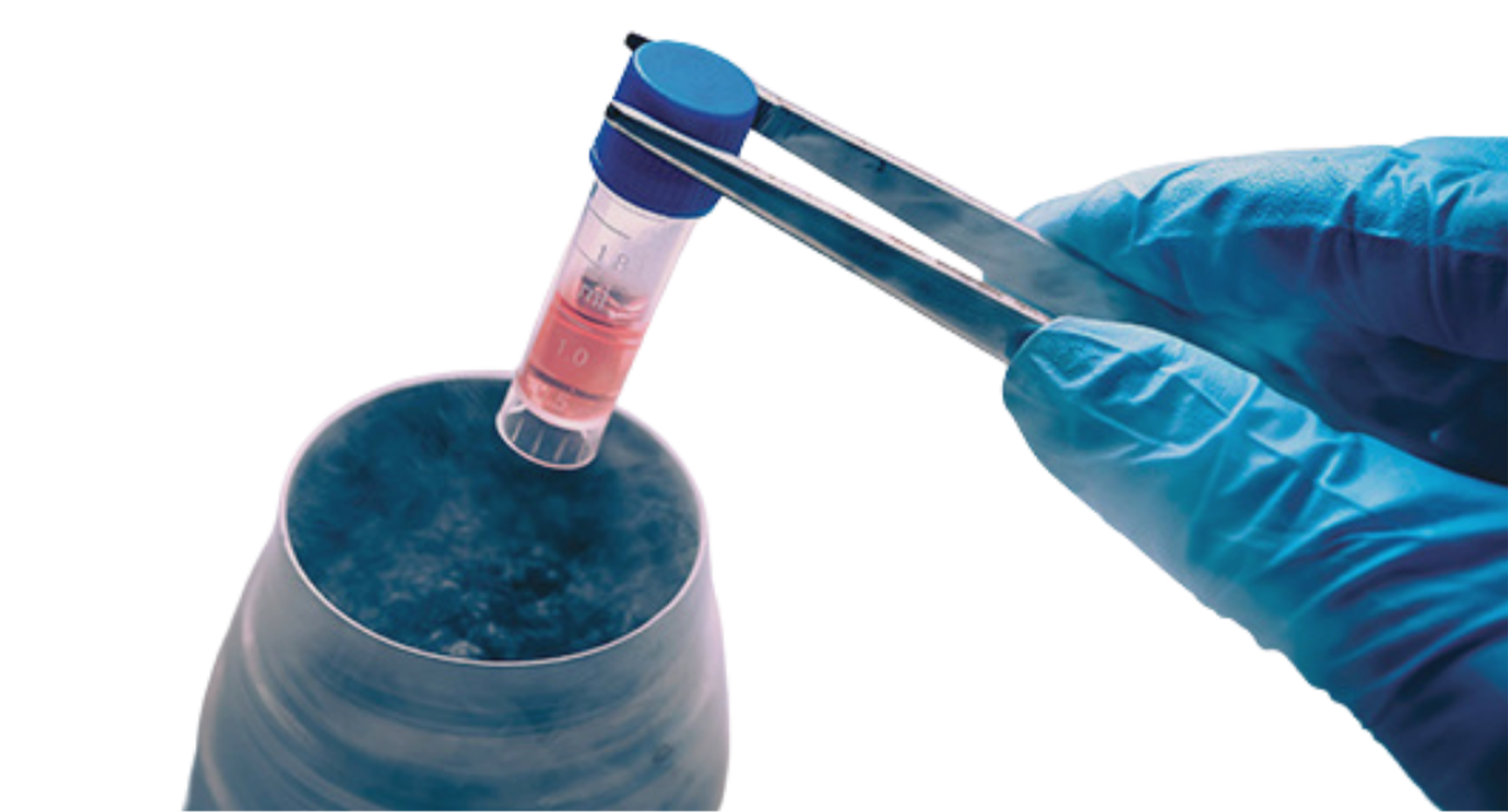
Frozen Embryo Transfer (FET) is an advanced fertility procedure that involves transferring previously frozen embryos into the uterus to achieve pregnancy. Unlike fresh embryo transfer, FET allows embryo transfer in a hormonally balanced and medically optimized cycle, improving the chances of implantation and successful pregnancy. Frozen Embryo Transfer is a process where embryos created during an earlier IVF cycle are cryopreserved and later thawed for transfer. This approach provides flexibility in treatment planning and allows the uterus to be prepared in an optimal physiological state before embryo implantation.
Initial Consultation and Medical Review Frozen Embryo Transfer begins with a detailed consultation to review the couple’s medical history, previous fertility treatments, and reproductive concerns. Specialists assess test results, embryo quality reports, and prior cycles to determine the suitability of FET. This evaluation ensures that the treatment plan is personalized and designed to maximize success.

Before the procedure, the endometrium is carefully prepared and monitored to ensure optimal thickness and receptivity. Frozen embryos are thawed in a controlled laboratory environment and assessed for viability. Accurate evaluation of the uterine lining and embryo quality increases the likelihood of successful implantation.

Frozen embryos are carefully thawed using advanced laboratory techniques to preserve their quality and viability. The embryos are then cultured briefly to ensure they are ready for transfer. This step is critical for maintaining embryo integrity and maximizing the chances of pregnancy.

Viable embryos are gently placed into the uterus using a minimally invasive procedure under expert supervision. The timing and placement are optimized to improve implantation potential. Hormonal support is provided to create an ideal uterine environment for the developing embryo.

After the transfer, patients receive ongoing medical guidance, hormonal therapy, and follow-up evaluations. Pregnancy tests are conducted at the appropriate time, and results are carefully reviewed to plan further steps if required. Queen’s IVF provides expert care throughout the Frozen Embryo Transfer process, ensuring a safe, effective, and supportive fertility journey.
Initial Consultation and Medical Review Frozen Embryo Transfer begins with a detailed consultation to review the couple’s medical history, previous fertility treatments, and reproductive concerns. Specialists assess test results, embryo quality reports, and prior cycles to determine the suitability of FET. This evaluation ensures that the treatment plan is personalized and designed to maximize success.

Whether for medical treatments like cancer therapy, career considerations, or personal timing, FET allows you to preserve your fertility options and pursue pregnancy when you're ready.

If you have high-quality embryos from previous IVF cycles, FET offers a cost-effective and less invasive option for additional pregnancy attempts without repeating ovarian stimulation.

Patients seeking preimplantation genetic testing (PGT-A) to screen for chromosomal abnormalities must use FET, as testing requires time while embryos remain frozen, leading to healthier pregnancy outcomes.
Find quick answers, or reach out to our support team for more help.
© 2026 All rights reserved by Queens IVF Clinic