


Expert care for repeated IVF failure support
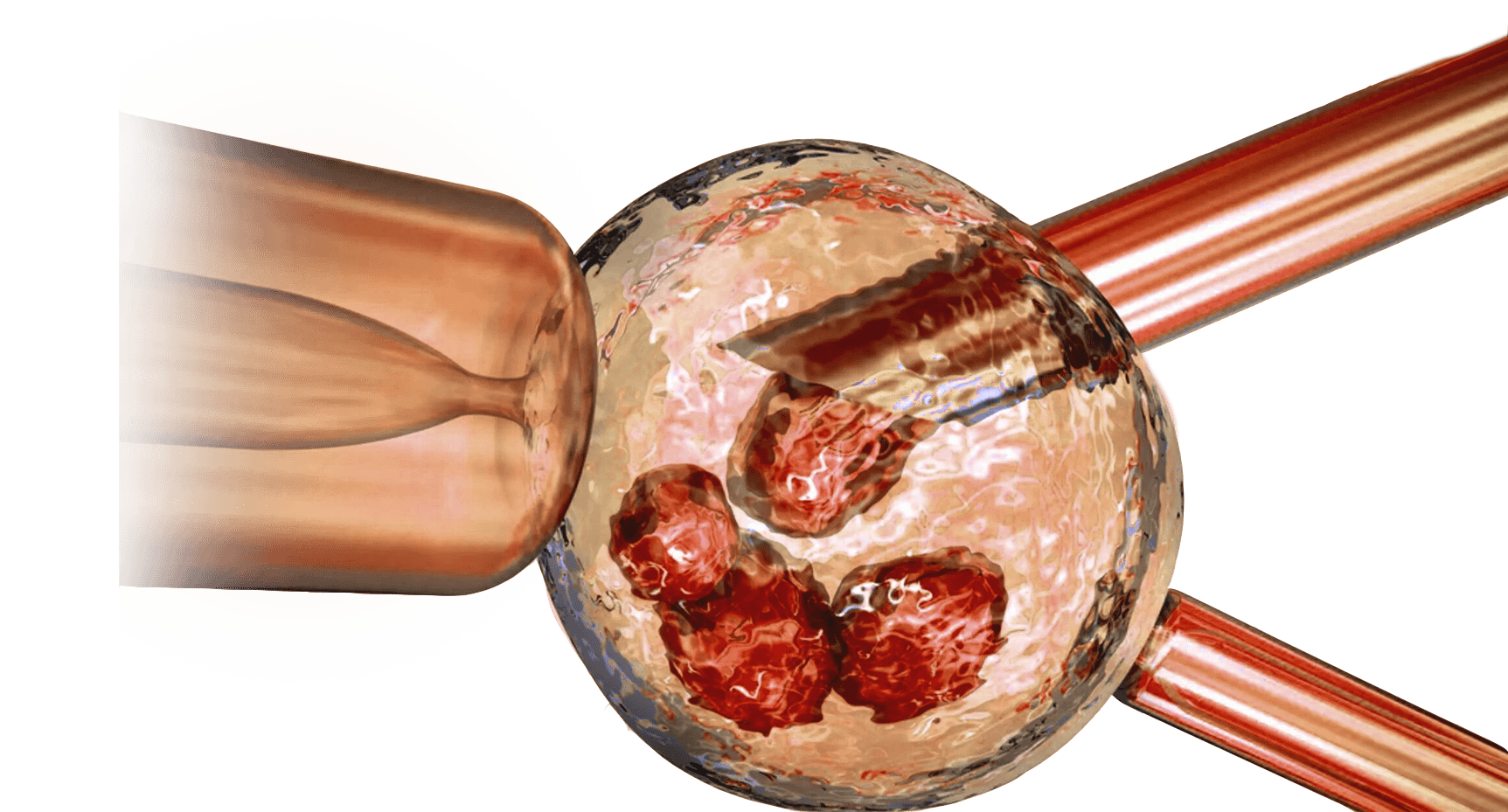
Repeated IVF failure can be emotionally exhausting and medically complex for couples trying to conceive. When multiple IVF cycles do not result in pregnancy, it is often a sign that deeper clinical factors need to be identified and addressed with a more advanced and personalized approach. At Queens IVF, we specialize in Recurrent IVF Failure Management using advanced diagnostic tools, cutting-edge reproductive technologies, and individualized treatment strategies. Known as a trusted fertility center in Delhi, Queens IVF focuses on identifying the underlying causes of repeated IVF failure and optimizing treatment outcomes with evidence-based solutions.
Recurrent IVF Failure refers to repeated unsuccessful IVF cycles despite the transfer of good-quality embryos. This can be emotionally and physically challenging for couples and often indicates underlying medical, genetic, or implantation-related factors that require advanced evaluation. At Queen’s IVF in Delhi, recurrent IVF failure is managed through detailed diagnostic assessment, advanced laboratory techniques, and highly personalized treatment strategies to identify the root cause and improve future pregnancy outcomes.

Treatment begins with an in-depth review of previous IVF cycles, including embryo quality, stimulation response, implantation history, and laboratory conditions. Both male and female factors are reassessed using advanced diagnostic tools to ensure no contributing factor is overlooked.

Queen’s IVF employs state-of-the-art diagnostic technologies to investigate possible causes of repeated IVF failure. These may include hormonal evaluation, uterine cavity assessment, genetic testing, sperm quality analysis, and endometrial receptivity evaluation, enabling a precise and targeted treatment approach.

Based on diagnostic findings, individualized treatment plans are developed. These may involve protocol modification, advanced embryo selection techniques, genetic testing (PGT), endometrial optimization, or laboratory add-ons such as ICSI or Laser Assisted Hatching when indicated. The focus is on improving implantation potential and overall cycle success.

Recurrent IVF failure management at Queen’s IVF is closely integrated with advanced assisted reproductive technologies. Expert fertility specialists and embryologists work collaboratively to optimize embryo development, selection, and transfer conditions, enhancing the chances of a successful pregnancy.

Patients undergoing treatment for recurrent IVF failure receive close monitoring and ongoing support throughout their fertility journey. Regular follow-ups and careful cycle management ensure timely adjustments and a supportive, confidential care environment.
Recurrent IVF Failure refers to repeated unsuccessful IVF cycles despite the transfer of good-quality embryos. This can be emotionally and physically challenging for couples and often indicates underlying medical, genetic, or implantation-related factors that require advanced evaluation. At Queen’s IVF in Delhi, recurrent IVF failure is managed through detailed diagnostic assessment, advanced laboratory techniques, and highly personalized treatment strategies to identify the root cause and improve future pregnancy outcomes.

Couples who have experienced two or more unsuccessful IVF attempts may benefit from advanced evaluation and specialized treatment strategies.

Repeated failure despite transferring high-quality embryos may indicate implantation or uterine factors that require focused investigation.

Conditions affecting the uterine lining or implantation window can contribute to IVF failure and may be addressed through targeted treatment.

Genetic abnormalities, hormonal imbalances, or sperm-related issues may impact IVF success and require advanced diagnostic and therapeutic approaches.

Specialized care for recurrent IVF failure helps maximize future IVF outcomes through precision-driven and personalized fertility treatment at Queen’s IVF.
Find quick answers, or reach out to our support team for more help.
© 2026 All rights reserved by Queens IVF Clinic