


Advanced Uterine Evaluation and Treatment for Reproductive Health
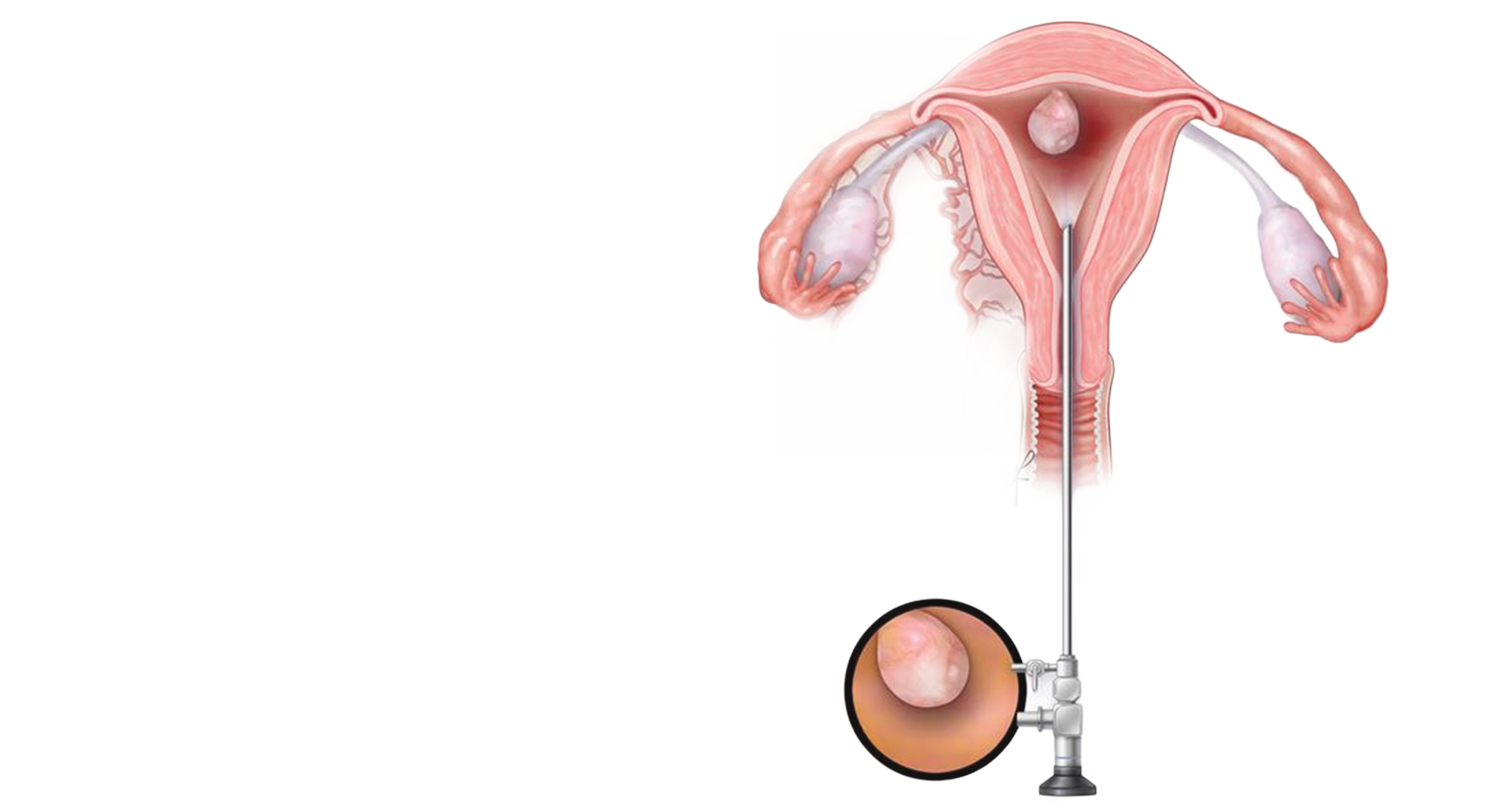
Hysteroscopy is a minimally invasive procedure used to examine and treat conditions inside the uterus that may affect fertility, menstrual health, or pregnancy outcomes. It allows doctors to directly visualize the uterine cavity using a thin, lighted instrument called a hysteroscope. At Queen’s IVF, hysteroscopy is performed using advanced technology and evidence-based protocols to ensure precise diagnosis and safe treatment. Recognized as a trusted fertility clinic in Delhi, Queen’s IVF combines modern infrastructure, experienced fertility specialists, and personalized care to improve uterine health and enhance reproductive success.
Hysteroscopy is a safe and minimally invasive procedure used to diagnose and treat conditions inside the uterus that may affect fertility, menstrual health, or pregnancy outcomes. It involves inserting a thin, high-resolution hysteroscope through the cervix to directly visualize the uterine cavity. This technique allows accurate identification and treatment of abnormalities such as polyps, fibroids, adhesions, or uterine septum without major surgery. At Queen’s IVF in Delhi, hysteroscopy is performed using advanced surgical infrastructure, experienced fertility specialists, and individualized treatment planning to ensure precise results, faster recovery, and improved reproductive outcomes.

The hysteroscopy process begins with a detailed gynecological and fertility assessment. This includes ultrasound imaging, medical history review, menstrual history analysis, and evaluation of prior fertility treatments if applicable. Specialists assess symptoms such as abnormal bleeding, recurrent miscarriage, or repeated IVF failure to determine whether hysteroscopic evaluation is required.

Queen’s IVF utilizes high-resolution hysteroscopy systems and advanced imaging support for accurate uterine cavity assessment. Diagnostic hysteroscopy helps detect structural abnormalities that may not be clearly visible on routine ultrasound. This precise evaluation enables fertility specialists to identify the root cause of implantation failure or menstrual irregularities.
Based on diagnostic findings, individualized treatment planning is carried out. If abnormalities are detected, operative hysteroscopy may be performed simultaneously to remove polyps, fibroids, scar tissue, or correct uterine septum. The goal is to restore a healthy uterine environment that supports implantation and successful pregnancy.
Hysteroscopy is typically performed as a day-care procedure. Using advanced equipment and careful monitoring, the treatment ensures minimal discomfort and reduced recovery time. Most patients can resume normal activities shortly after the procedure, making it a convenient and effective uterine treatment option.

Throughout the hysteroscopy process, patients receive continuous medical supervision and personalized guidance. Follow-up consultations help monitor recovery and evaluate improvement in uterine health. Clear communication and supportive care ensure a comfortable, safe, and confident treatment experience at Queen’s IVF.
Hysteroscopy is a safe and minimally invasive procedure used to diagnose and treat conditions inside the uterus that may affect fertility, menstrual health, or pregnancy outcomes. It involves inserting a thin, high-resolution hysteroscope through the cervix to directly visualize the uterine cavity. This technique allows accurate identification and treatment of abnormalities such as polyps, fibroids, adhesions, or uterine septum without major surgery. At Queen’s IVF in Delhi, hysteroscopy is performed using advanced surgical infrastructure, experienced fertility specialists, and individualized treatment planning to ensure precise results, faster recovery, and improved reproductive outcomes.

Persistent heavy, irregular, or unexplained bleeding may require hysteroscopic evaluation.

Structural uterine abnormalities can contribute to pregnancy loss and may be corrected through hysteroscopy.

If IVF attempts have been unsuccessful, hysteroscopy helps rule out hidden uterine issues affecting implantation.

Small intrauterine growths impacting fertility or menstrual health can be safely removed.

Pre-IVF hysteroscopic assessment improves uterine readiness and pregnancy success rates.
Find quick answers, or reach out to our support team for more help.
© 2026 All rights reserved by Queens IVF Clinic