


What is ICSI?
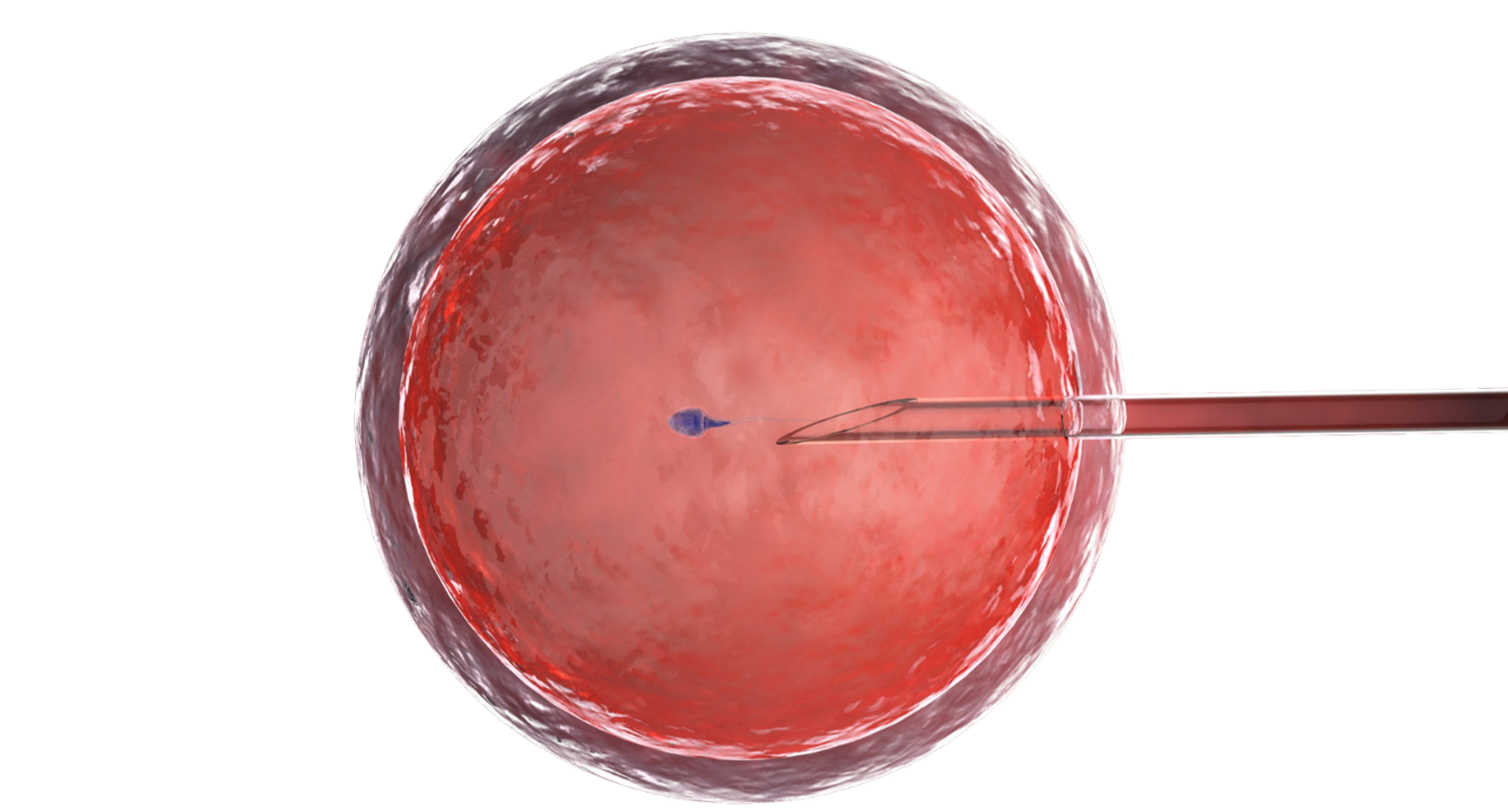
At Queens IVF Delhi, we specialize in providing personalized ICSI treatment with the highest success rates, supported by state-of-the-art laboratory facilities, expert counselor support, and compassionate care. ICSI (Intracytoplasmic Sperm Injection) is an advanced assisted reproductive technology where a single healthy sperm is directly injected into a mature egg to facilitate fertilization. This revolutionary procedure has transformed fertility treatment for couples facing male infertility
Initial Consultation and Medical Review ICSI (Intracytoplasmic Sperm Injection) begins with a comprehensive consultation to assess the medical history, previous fertility treatments, and reproductive concerns of both partners. Specialists review test reports, semen analysis results, and treatment history in detail. This consultation helps determine if ICSI is the most suitable treatment and lays the foundation for a personalized treatment plan.

Before the procedure, both egg and sperm quality are carefully evaluated. Women undergo ovarian stimulation monitoring and ultrasounds, while men may have detailed sperm testing, including motility and morphology assessments. Accurate assessment ensures that only healthy eggs and sperm are used, maximizing the chances of successful fertilization.

Mature eggs are collected from the ovaries using a minimally invasive procedure. On the same day, sperm is processed in the laboratory using advanced techniques to select the healthiest, most motile sperm for injection. This step is crucial for optimizing fertilization and improving overall treatment success.

In the ICSI procedure, a single sperm is directly injected into each mature egg under precise laboratory conditions. This technique bypasses many barriers to fertilization, making it especially effective for severe male infertility or previous fertilization failure. Embryologists monitor fertilized eggs to ensure healthy embryo development.

Fertilized eggs are cultured for several days under controlled conditions to allow embryos to develop. The healthiest embryos are selected and transferred into the uterus with careful timing to maximize implantation potential. Hormonal support is provided to improve the chances of successful pregnancy.

After embryo transfer, patients receive ongoing medical guidance, hormonal support, and follow-up assessments. Pregnancy tests are conducted at the appropriate time, and results are reviewed carefully to plan next steps if needed. With expert care and advanced laboratory techniques, Queen’s IVF supports couples throughout their ICSI journey, ensuring high-quality treatment at every stage.
Initial Consultation and Medical Review ICSI (Intracytoplasmic Sperm Injection) begins with a comprehensive consultation to assess the medical history, previous fertility treatments, and reproductive concerns of both partners. Specialists review test reports, semen analysis results, and treatment history in detail. This consultation helps determine if ICSI is the most suitable treatment and lays the foundation for a personalized treatment plan.

If fertilization did not occur in prior IVF cycles, ICSI can improve fertilization outcomes and increase the chances of a successful pregnancy.

When conventional IVF or other fertility treatments have not resulted in pregnancy, ICSI may be suggested to overcome subtle fertilization issues.

ICSI ensures that even a limited number of retrieved eggs are fertilized effectively, optimizing the chances of embryo formation

Before starting ICSI, a full evaluation ensures the procedure is personalized, safe, and tailored to the couple’s specific fertility needs
Find quick answers, or reach out to our support team for more help.

© 2026 All rights reserved by Queens IVF Clinic