


Trusted IVF center with advanced laser care today!!
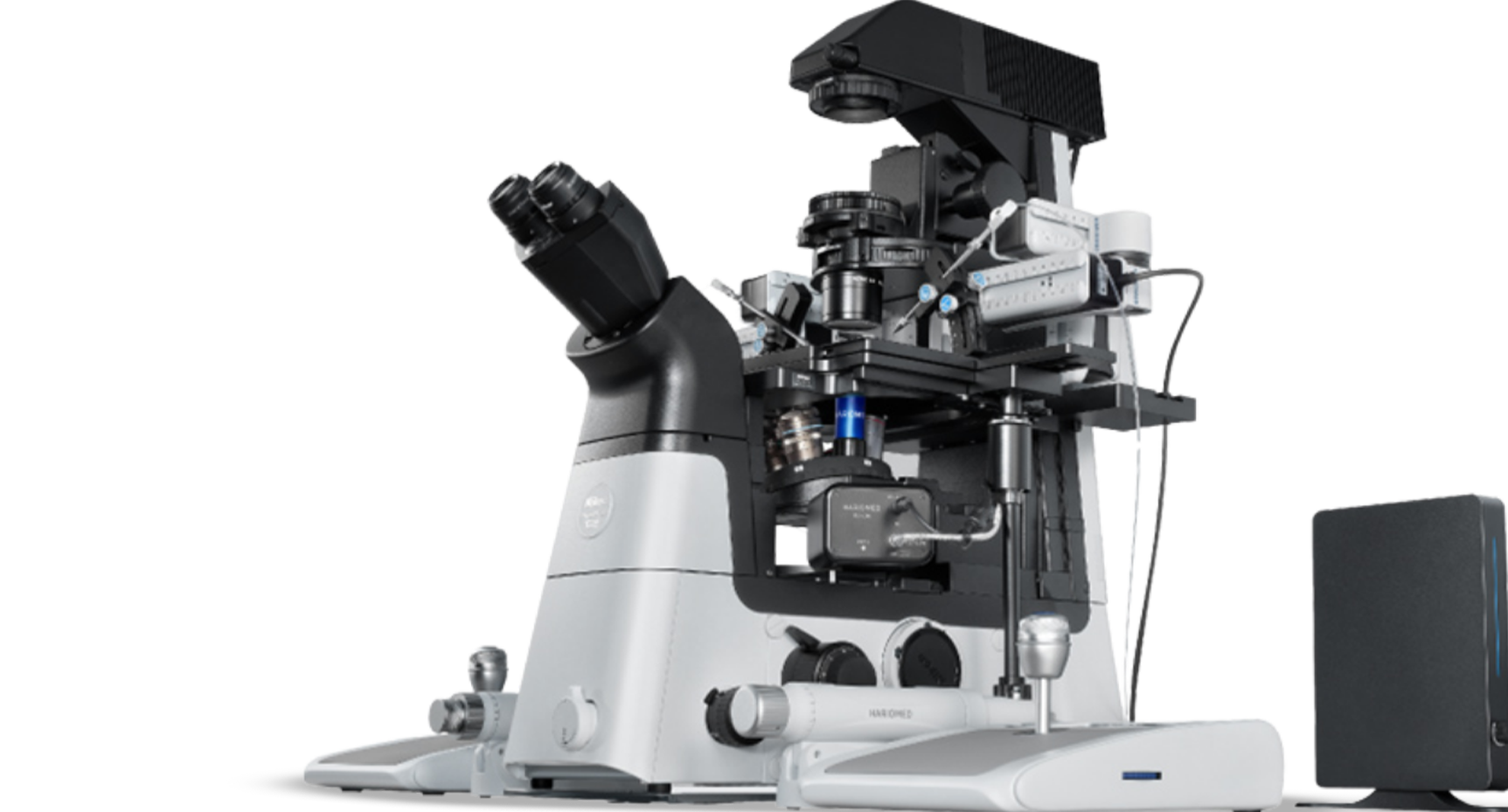
Queens IVF is a leading fertility clinic specializing in advanced reproductive technologies designed to improve implantation success and pregnancy outcomes. Founded and directed by Dr. Priya Shukla (MBBS, MD Gynae), Queens IVF Delhi offers scientifically advanced fertility solutions supported by personalized care and cutting-edge laboratory technology. Among the advanced IVF techniques offered at Queens IVF, Laser Assisted Hatching IVF plays a crucial role in helping embryos implant successfully in cases where natural hatching is difficult. With expert embryologists, modern equipment, and patient-centric treatment protocols, Queens IVF helps couples move closer to their dream of parenthood with confidence and clarity.
Laser Assisted Hatching (LAH) is an advanced embryology technique used during IVF to improve embryo implantation. The procedure involves creating a precise opening in the embryo’s outer shell (zona pellucida) using a highly controlled laser. This assists the embryo in hatching and attaching to the uterine lining more effectively. At Queen’s IVF in Delhi, LAH is performed using cutting-edge laser technology, experienced embryologists, and personalized IVF protocols to enhance implantation potential and overall pregnancy outcomes.

Laser Assisted Hatching is performed as part of a standard IVF cycle. Eggs are retrieved and fertilized in a specialized laboratory, and embryos are cultured under advanced conditions. As embryos develop, embryologists closely monitor their quality and growth to identify those that may benefit most from assisted hatching.
Once embryos reach the appropriate developmental stage, a precision laser is used to gently thin or create a small opening in the zona pellucida. This controlled procedure does not harm the embryo and allows it to hatch more easily, increasing the likelihood of successful implantation. The process is quick, accurate, and performed by highly trained embryologists.

By assisting the embryo’s natural hatching process, LAH improves its ability to attach to the uterine lining. This is particularly beneficial in cases where the zona pellucida is thicker than normal or when embryos may have difficulty hatching on their own, thereby improving implantation success rates.

Laser Assisted Hatching can be performed in both fresh and frozen embryo transfer cycles. Whether embryos are transferred in the same IVF cycle or during a planned Frozen Embryo Transfer (FET), the uterus is carefully prepared with hormonal support to create an optimal implantation environment.
Laser Assisted Hatching (LAH) is an advanced embryology technique used during IVF to improve embryo implantation. The procedure involves creating a precise opening in the embryo’s outer shell (zona pellucida) using a highly controlled laser. This assists the embryo in hatching and attaching to the uterine lining more effectively. At Queen’s IVF in Delhi, LAH is performed using cutting-edge laser technology, experienced embryologists, and personalized IVF protocols to enhance implantation potential and overall pregnancy outcomes.
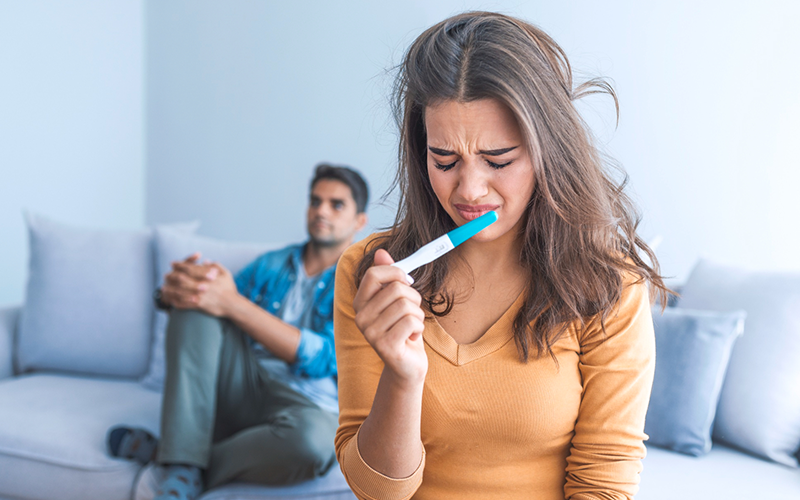
For couples who have experienced multiple failed IVF attempts, LAH can improve implantation by helping embryos overcome hatching challenges, increasing the chances of successful pregnancy.

Women above 35 often have embryos with a thicker zona pellucida. Laser Assisted Hatching helps these embryos hatch more easily, improving implantation potential and pregnancy outcomes.
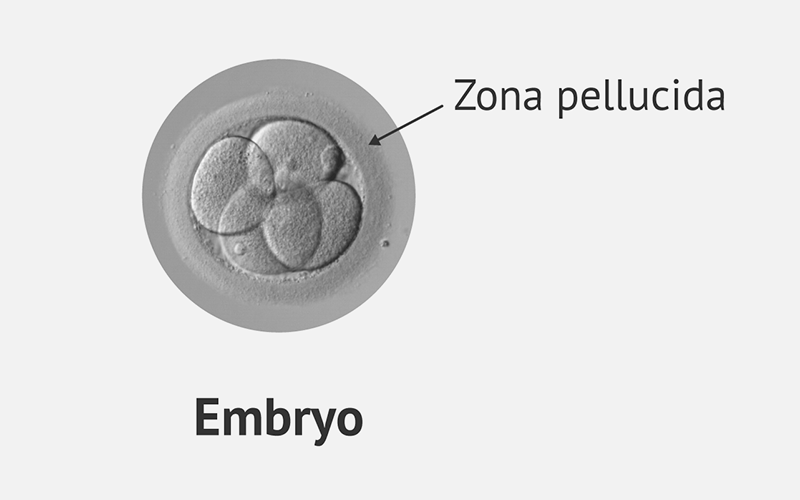
Some embryos naturally develop a thicker outer shell, making implantation more difficult. LAH provides targeted support by facilitating the hatching process.
 Cycles.png)
Frozen embryos may have a harder zona pellucida after thawing. LAH enhances implantation success in FET cycles by improving embryo-uterine interaction.
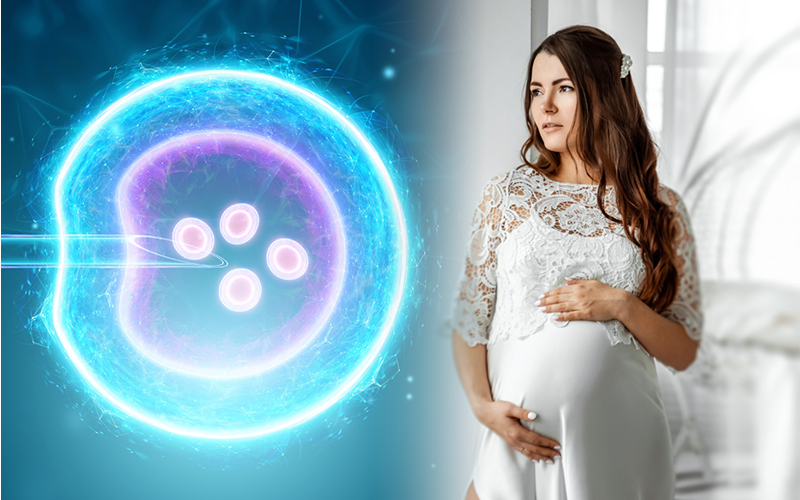
Laser Assisted Hatching is an effective add-on for couples aiming to maximize their IVF success. When combined with advanced laboratory techniques and individualized care at Queen’s IVF, LAH supports improved implantation and pregnancy outcomes.
Find quick answers, or reach out to our support team for more help.
© 2026 All rights reserved by Queens IVF Clinic