


Advanced Paternal Lymphocyte Immunization Treatment for Your Parenthood Journey
.png)
Paternal Lymphocyte Immunization (PLI) is an advanced immunotherapy procedure that involves introducing the father's white blood cells into the mother's body to help regulate her immune response and support successful embryo implantation. The processed lymphocytes are then carefully administered to guide the most effective and personalized immunological treatment plan. Infertility can be an emotionally challenging experience, but with the right medical expertise and advanced technology, parenthood is possible. Queen's IVF, a trusted fertility centre in New Delhi and Delhi NCR, offers comprehensive PLI treatment tailored to each patient's unique needs.
Paternal Lymphocyte Immunization is a structured series of advanced immunotherapy procedures designed to help couples overcome immune-related implantation failure and achieve a successful pregnancy. The process involves paternal blood collection, lymphocyte isolation, intradermal administration, and specialized monitoring of the maternal immune response.
_Initial Consultation & Immunological Assessment.svg)
The PLI journey begins with an initial consultation, where the fertility specialist reviews the couple's complete medical history, previous implantation failure reports, and prior recurrent pregnancy loss attempts. Detailed evaluation helps identify key immunological concerns and guides the most appropriate PLI treatment plan. During this stage, both partners are assessed to ensure a thorough understanding of their reproductive and immunological health. This personalized approach allows the medical team to design a targeted and efficient PLI treatment protocol.
_Paternal Blood Collection & Lymphocyte Isolation.svg)
Once the initial consultation is complete, a blood sample is collected from the father and processed in a specialized laboratory to carefully isolate and prepare a concentrated suspension of paternal lymphocytes for immunization. This preparation provides critical insights into lymphocyte quality and overall immunological compatibility between both partners. Paternal lymphocyte isolation is a crucial step in PLI treatment, as it determines the quality and concentration of white blood cells directly affecting the success of maternal immune modulation.
_Pre-Administration Compatibility & Safety Testing.svg)
A detailed compatibility and safety evaluation is performed to screen both partners for infectious diseases, blood group compatibility, and immunological markers before the paternal lymphocytes are administered to the mother. This evaluation uses advanced laboratory tools to ensure accuracy and complete safety of the immunization procedure. Pre-administration safety testing is an essential PLI step, as it determines the suitability and safety of paternal lymphocytes available for successful maternal immune system modulation.
_Intradermal Lymphocyte Administration.svg)
A specialized intradermal injection procedure is performed to carefully administer the isolated paternal lymphocytes into the mother's skin at precise sites to stimulate a controlled and favorable immune recognition response. Advanced administration techniques ensure safety and accurate delivery of lymphocytes at the optimal immunological sites. This stage focuses on triggering the maternal immune system to recognize and tolerate the paternal antigens that may be directly interfering with successful embryo implantation and pregnancy maintenance.
_Post-Treatment Monitoring & Immune Response Assessment.svg)
The final stage of PLI treatment involves careful post-administration monitoring and immune response evaluation to assess the effectiveness of lymphocyte immunization before proceeding with embryo transfer or further fertility treatment. These observations help confirm immunological tolerance development and identify any concerns requiring timely intervention. Advanced post-treatment monitoring ensures no immune response concern is overlooked, enabling the specialist to recommend the most effective and personalized fertility treatment pathway going forward.
Paternal Lymphocyte Immunization is a structured series of advanced immunotherapy procedures designed to help couples overcome immune-related implantation failure and achieve a successful pregnancy. The process involves paternal blood collection, lymphocyte isolation, intradermal administration, and specialized monitoring of the maternal immune response.

When a couple has experienced multiple failed embryo transfers without a clear uterine or embryo quality explanation, PLI treatment is strongly recommended. Immune modulation helps address hidden immunological rejection causes and improves the chances of successful implantation.

Unexplained repeated pregnancy loss, abnormal maternal immune response, or poor immunological tolerance of paternal antigens may indicate underlying immune rejection factors contributing to miscarriage. PLI helps regulate the maternal immune system and guides the most appropriate immunological fertility intervention.

Abnormally high natural killer cell activity, excessive immune reactivity, or poor embryo tolerance can reduce the chances of successful implantation and early pregnancy survival. PLI helps modulate the maternal immune environment and significantly improves embryo acceptance outcomes.

When no clear structural or hormonal cause of infertility is identified, PLI offers an effective immunological solution by thoroughly investigating and addressing every possible maternal immune rejection factor.
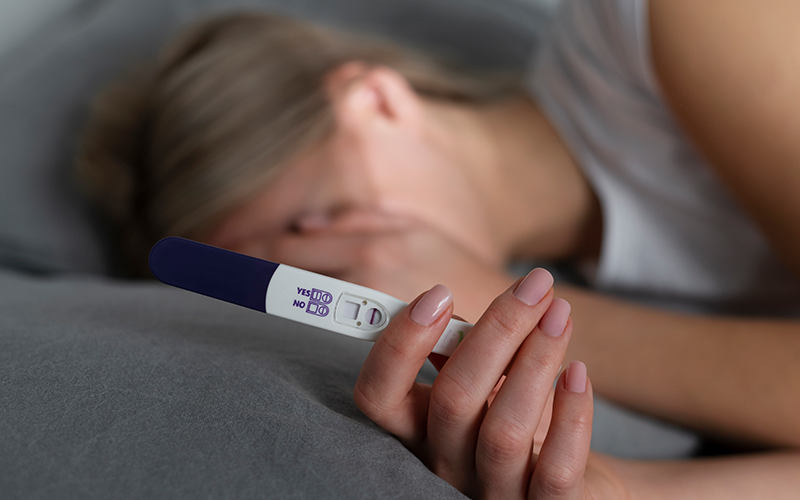
As autoimmune disorders can silently trigger excessive maternal immune responses that interfere with embryo implantation. PLI improves immune tolerance by carefully modulating the maternal response under expert immunological supervision.

When existing IVF or frozen embryo transfer cycles continue to fail despite good embryo quality, comprehensive PLI treatment is often recommended as the most effective next step for improving immunological implantation success.
Find quick answers, or reach out to our support team for more help.
© 2026 All rights reserved by Queens IVF Clinic