


Advanced Egg Donor Treatment for Your Parenthood Journey
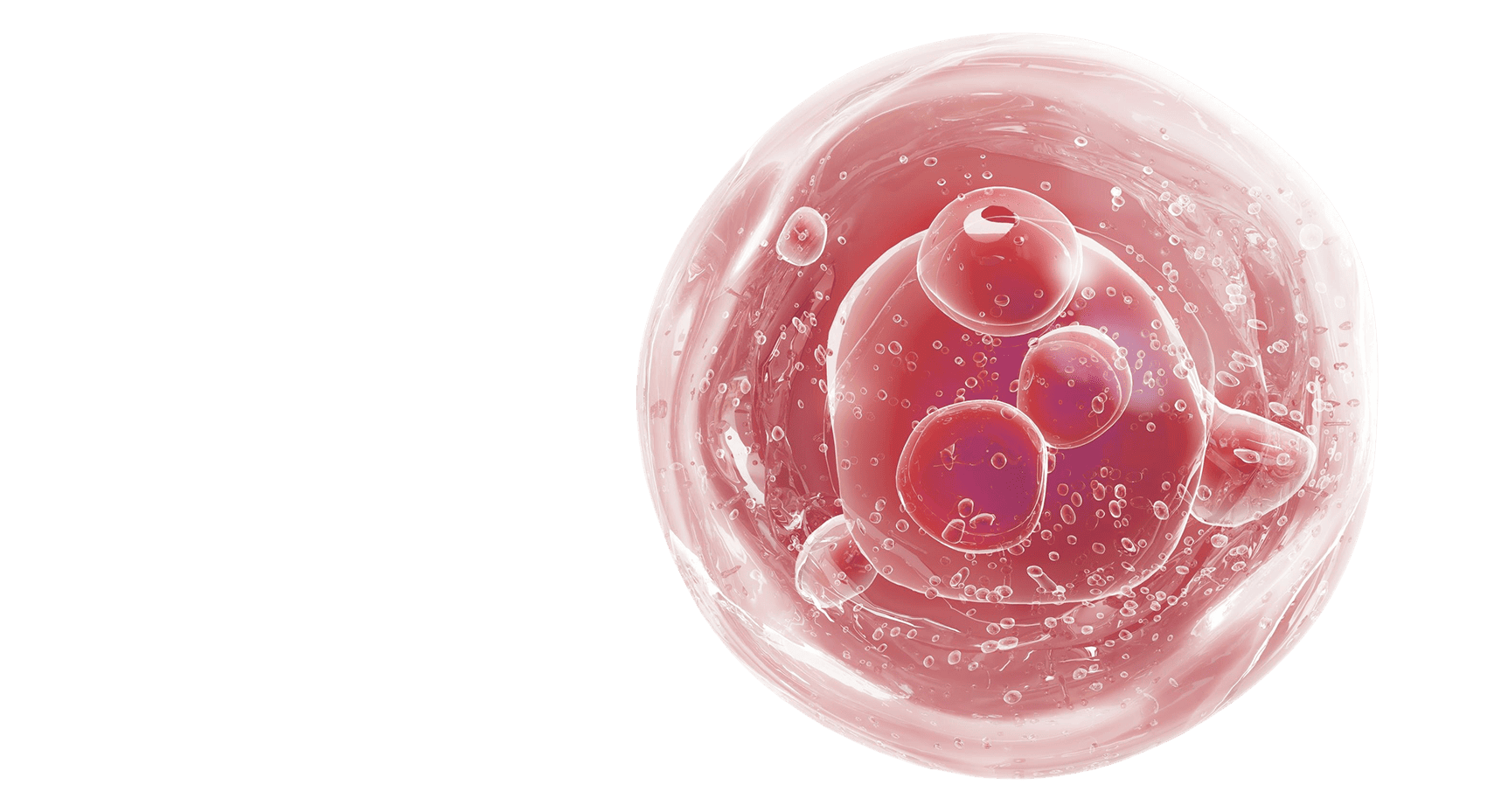
Egg Donation is an advanced assisted reproductive procedure in which eggs retrieved from a healthy and thoroughly screened donor are fertilized with the partner's sperm and transferred into the recipient's uterus to achieve pregnancy. The donated eggs are then carefully matched and processed to guide the most effective and personalized fertility treatment plan. Infertility can be an emotionally challenging experience, but with the right medical expertise and advanced technology, parenthood is possible. Queen's IVF, a trusted fertility centre in New Delhi and Delhi NCR, offers comprehensive egg donor treatment tailored to each patient's unique needs.
Egg Donor treatment is a structured series of advanced assisted reproductive procedures designed to help couples overcome female infertility and achieve a successful pregnancy. The process involves donor screening, ovarian stimulation, egg retrieval, laboratory fertilization, and specialized monitoring of embryo development and transfer.

The egg donor journey begins with an initial consultation, where the fertility specialist reviews the recipient couple's complete medical history, previous fertility treatment attempts, and individual reproductive health requirements. Detailed evaluation helps identify key donor matching criteria and guides the most appropriate egg donation treatment plan. During this stage, both partners are assessed to ensure a thorough understanding of their reproductive health. This personalized approach allows the medical team to design a targeted and efficient egg donor treatment protocol.

Once the initial consultation is complete, potential egg donors undergo a comprehensive screening process including medical history review, hormonal profiling, genetic testing, infectious disease screening, and psychological evaluation to ensure complete donor safety and suitability. This thorough screening provides critical insights into donor reproductive health and overall compatibility with the recipient couple. Donor screening and matching is a crucial step in egg donation treatment, as it determines the genetic, medical, and physical compatibility of the donor directly affecting the chances of successful fertilization and pregnancy.

A detailed ovarian stimulation protocol is administered to the screened donor to encourage the development of multiple mature eggs, which are then retrieved through a minimally invasive ovum pick-up procedure under medical supervision. This process uses advanced reproductive techniques to ensure accuracy and maximum retrieval of high-quality donor eggs. Donor egg retrieval is an essential egg donation step, as it determines the quality and quantity of eggs available for successful fertilization with the recipient partner's sperm.
A specialized fertilization procedure is performed in the embryology laboratory to combine the retrieved donor eggs with the partner's sperm through conventional IVF or advanced ICSI techniques under precise controlled conditions. Advanced embryo culture techniques ensure accurate development monitoring and identification of the healthiest embryos for uterine transfer. This stage focuses on achieving optimal fertilization and embryo development outcomes that may significantly improve implantation success and overall pregnancy potential.

The final stage of egg donor treatment involves carefully preparing the recipient's uterine lining through hormonal support and transferring the healthiest developed embryo into the uterus at the most optimal time for implantation. These preparations help confirm uterine receptivity and ensure the most favorable conditions for successful embryo implantation and early pregnancy. Advanced uterine preparation ensures no implantation concern is overlooked, enabling the specialist to recommend the most effective and personalized post-transfer hormonal support pathway.
Egg Donor treatment is a structured series of advanced assisted reproductive procedures designed to help couples overcome female infertility and achieve a successful pregnancy. The process involves donor screening, ovarian stimulation, egg retrieval, laboratory fertilization, and specialized monitoring of embryo development and transfer.
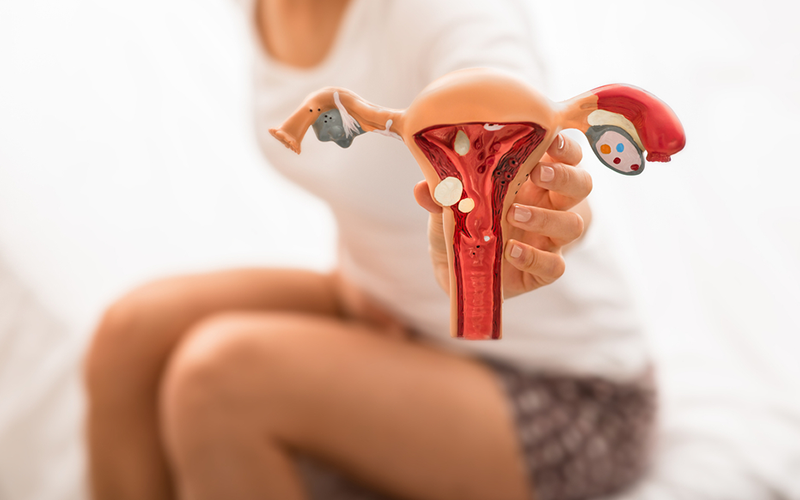
When a woman has been diagnosed with premature ovarian insufficiency or complete ovarian failure with no viable eggs of her own, egg donation is strongly recommended. Donor eggs help bypass poor ovarian function and significantly improve the chances of successful pregnancy.
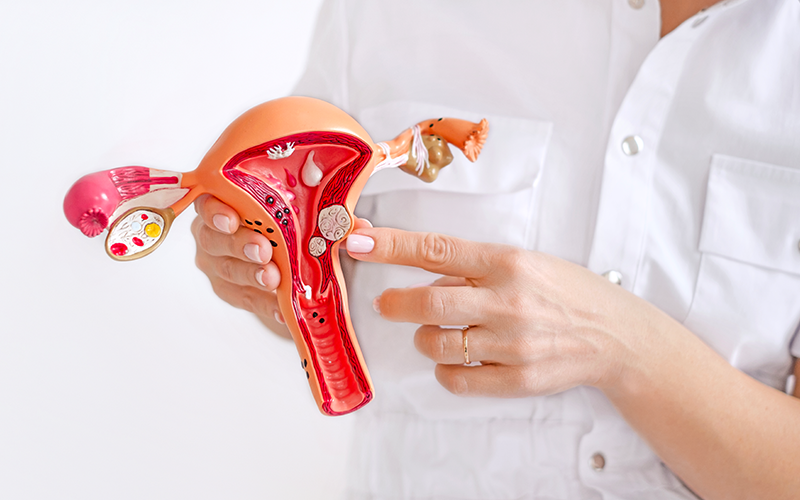
Significantly low AMH levels, poor antral follicle count, or repeated poor ovarian response to stimulation may indicate severely diminished egg quality and quantity. Egg donation helps provide healthy donor eggs and guides the most appropriate assisted reproduction intervention.

Known hereditary genetic disorders, chromosomal abnormalities, or inherited conditions that may be passed to offspring can reduce the suitability of using one's own eggs for conception. Egg donation helps ensure genetically healthy embryos and guides the right fertility approach.

When no clear embryo development cause is identified despite multiple IVF attempts, egg donation offers an effective solution by thoroughly addressing every possible egg quality or ovarian reserve factor.

As age significantly reduces egg quality and ovarian reserve, making natural conception increasingly difficult. Egg donation improves pregnancy success by providing younger, healthier donor eggs under expert reproductive supervision.

When existing family-building goals require donor eggs alongside a gestational carrier, comprehensive egg donation treatment is often recommended as the most effective next step for achieving successful biological parenthood.
Find quick answers, or reach out to our support team for more help.
© 2026 All rights reserved by Queens IVF Clinic