


Advanced Embryo Donor Programme for Your Parenthood Journey
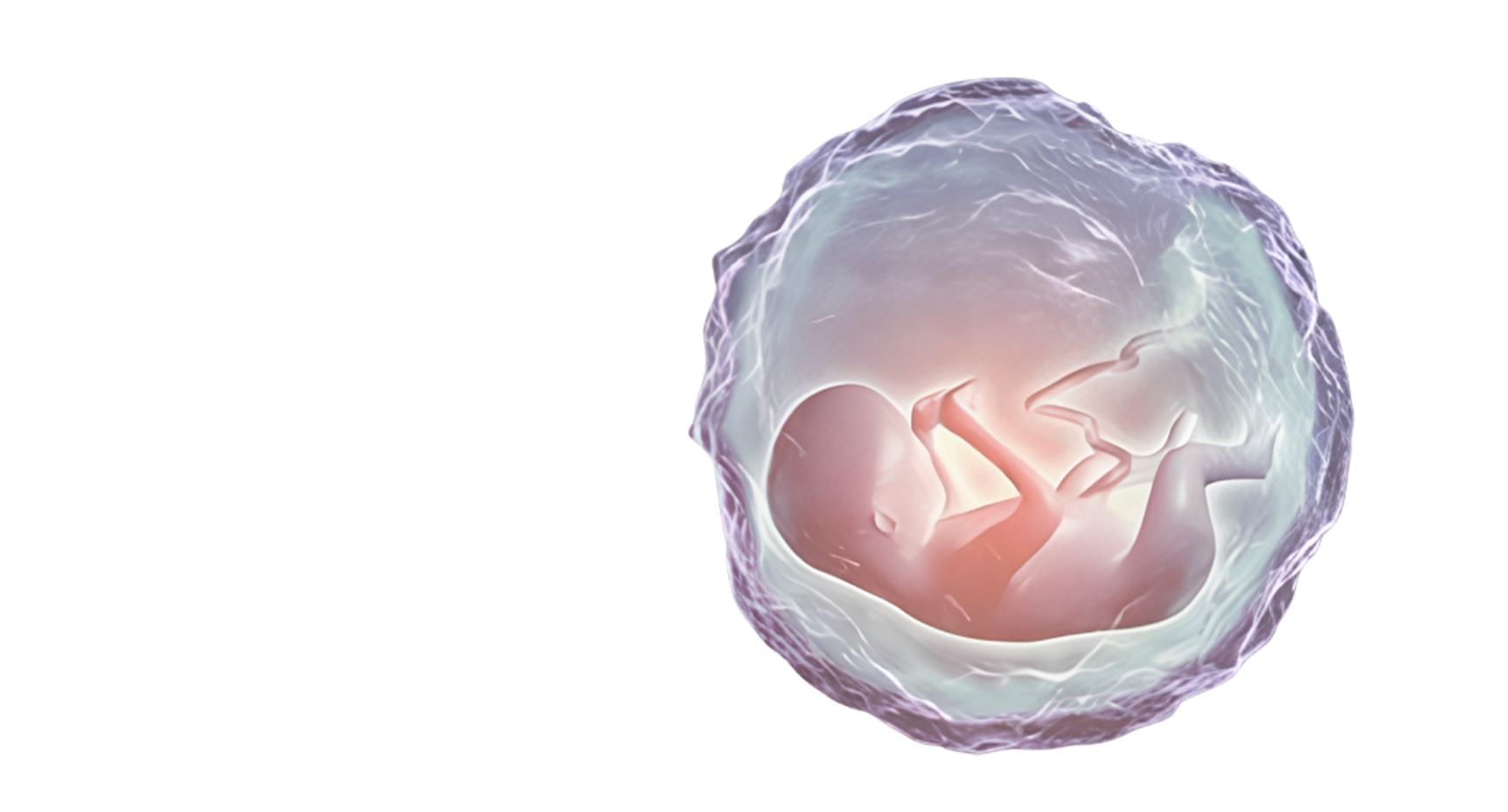
Embryo Donation is an advanced assisted reproductive procedure in which fully formed and carefully screened donor embryos are transferred directly into the recipient's uterus to achieve a successful pregnancy. The donated embryos are then carefully matched and prepared to guide the most effective and personalized fertility treatment plan. Infertility can be an emotionally challenging experience, but with the right medical expertise and advanced technology, parenthood is possible. Queen's IVF, a trusted fertility centre in New Delhi and Delhi NCR, offers comprehensive embryo donor programme treatment tailored to each patient's unique needs.
Embryo Donor Programme is a structured series of advanced assisted reproductive procedures designed to help couples overcome both male and female infertility simultaneously and achieve a successful pregnancy. The process involves embryo sourcing, genetic screening, recipient uterine preparation, precise embryo thawing, and specialized monitoring of implantation and early pregnancy development.

The embryo donor journey begins with an initial consultation, where the fertility specialist reviews the recipient couple's complete medical history, previous fertility treatment attempts, and individual reproductive health requirements. Detailed evaluation helps identify key embryo matching criteria and guides the most appropriate embryo donation treatment plan. During this stage, both partners are assessed to ensure a thorough understanding of their reproductive health. This personalized approach allows the medical team to design a targeted and efficient embryo donor treatment protocol.

Once the initial consultation is complete, available donor embryos undergo a comprehensive screening process including genetic profiling, infectious disease testing, embryo grading, and detailed medical history review of the donating couple to ensure complete embryo safety and suitability. This thorough screening provides critical insights into embryo quality and overall genetic compatibility with the recipient couple. Embryo sourcing and matching is a crucial step in embryo donation treatment, as it determines the genetic, medical, and developmental quality of the donor embryo directly affecting the chances of successful implantation and pregnancy.

A detailed uterine preparation protocol is administered to the recipient to carefully build and optimize the endometrial lining through hormonal medications, ensuring the uterus is fully receptive and ready for embryo transfer. This preparation uses advanced reproductive monitoring tools to ensure accuracy and precise timing of the most favorable implantation window. Uterine preparation is an essential embryo donation step, as it determines the receptivity and thickness of the endometrial lining available for successful donor embryo implantation.

A specialized embryo thawing procedure is performed to carefully warm the cryopreserved donor embryo using advanced vitrification techniques, followed by a detailed quality assessment to confirm embryo survival and developmental integrity before transfer. Advanced thawing techniques ensure accurate preservation of embryo viability and identification of the most suitable embryo for uterine transfer. This stage focuses on confirming complete embryo survival and developmental quality that may directly impact implantation success and overall pregnancy potential.

The final stage of embryo donor programme involves carefully transferring the thawed and quality-assessed donor embryo into the recipient's uterus at the most optimal implantation window, followed by hormonal support and close post-transfer monitoring. These measures help confirm early implantation signs and identify any concerns requiring timely medical intervention. Advanced post-transfer monitoring ensures no implantation concern is overlooked, enabling the specialist to recommend the most effective and personalized hormonal support and early pregnancy care pathway.
Embryo Donor Programme is a structured series of advanced assisted reproductive procedures designed to help couples overcome both male and female infertility simultaneously and achieve a successful pregnancy. The process involves embryo sourcing, genetic screening, recipient uterine preparation, precise embryo thawing, and specialized monitoring of implantation and early pregnancy development.

When both partners have been diagnosed with severe infertility conditions making the use of their own eggs and sperm unsuitable, embryo donation is strongly recommended. Donor embryos help bypass complete reproductive failure and significantly improve the chances of successful pregnancy.
Simultaneous premature ovarian failure in the woman and untreatable azoospermia in the male partner may indicate a complete absence of viable gametes for assisted reproduction. Embryo donation helps provide fully formed healthy embryos and guides the most appropriate fertility intervention.

Poor egg quality combined with severely abnormal sperm parameters can reduce the chances of successful embryo development despite multiple IVF attempts. Embryo donation helps address both gamete quality concerns simultaneously and guides the right fertility approach.

When no viable eggs or sperm are available and separate egg and sperm donation would be required, embryo donation offers a comprehensive and cost-effective solution by providing a fully formed and screened embryo ready for transfer.

As advancing age combined with complete ovarian failure makes natural or stimulated egg production no longer possible. Embryo donation improves pregnancy success by providing younger, healthier donor embryos under expert reproductive supervision.

When existing family-building goals require both donor eggs and donor sperm alongside a gestational carrier, comprehensive embryo donation is often recommended as the most effective and streamlined next step for achieving successful parenthood.
Find quick answers, or reach out to our support team for more help.
© 2026 All rights reserved by Queens IVF Clinic