


Advanced Laparoscopy Treatment for Your Parenthood Journey
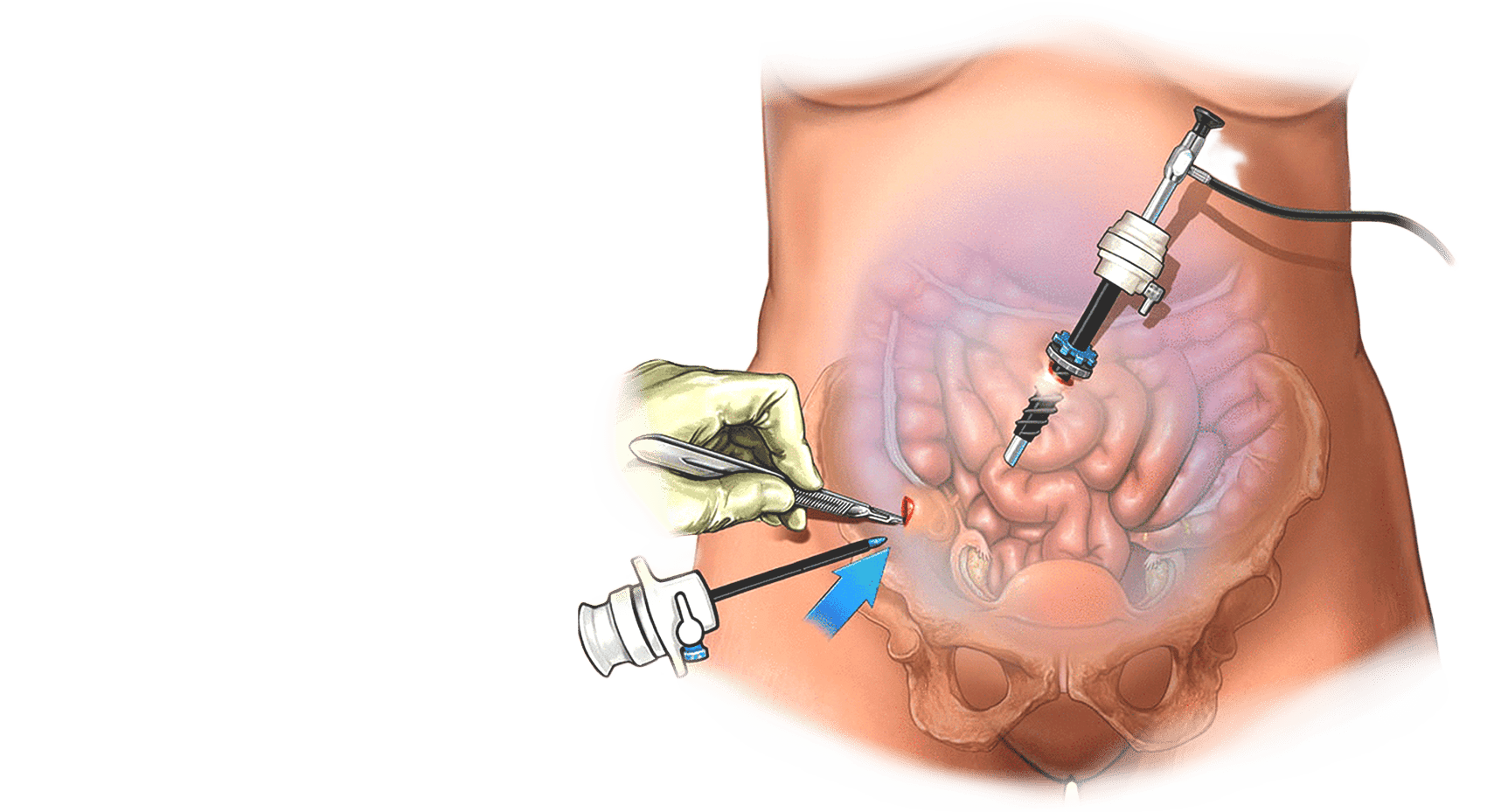
Laparoscopy is an advanced minimally invasive surgical procedure that uses a thin camera-equipped instrument to examine and treat conditions inside the abdomen and pelvis affecting female fertility. The findings are then carefully used to guide the most effective and personalized surgical or fertility treatment plan. Infertility can be an emotionally challenging experience, but with the right medical expertise and advanced technology, parenthood is possible. Queen's IVF, a trusted fertility centre in New Delhi and Delhi NCR, offers comprehensive laparoscopy treatment tailored to each patient's unique needs.
Laparoscopy is a structured series of advanced surgical evaluation and treatment procedures designed to help couples identify and correct reproductive abnormalities and achieve a successful pregnancy. The process involves pre-surgical assessment, minimally invasive examination, targeted surgical correction, and specialized post-operative monitoring of reproductive health.

The laparoscopy journey begins with an initial consultation, where the fertility specialist reviews the couple's complete medical history, previous diagnostic reports, and prior fertility treatment attempts. Detailed evaluation helps identify key reproductive concerns and guides the most appropriate laparoscopic surgical plan. During this stage, both partners are assessed to ensure a thorough understanding of their reproductive health. This personalized approach allows the medical team to design a targeted and efficient laparoscopic treatment protocol.
Once the initial consultation is complete, pre-operative blood tests, imaging, and health evaluations are conducted to ensure the patient is fully prepared for the laparoscopic procedure under general anaesthesia. These preparations provide critical insights into the patient's surgical readiness and overall procedural safety requirements. Pre-operative preparation is a crucial step in laparoscopy, as it determines the key health parameters affecting the safety and success of the minimally invasive surgical procedure.
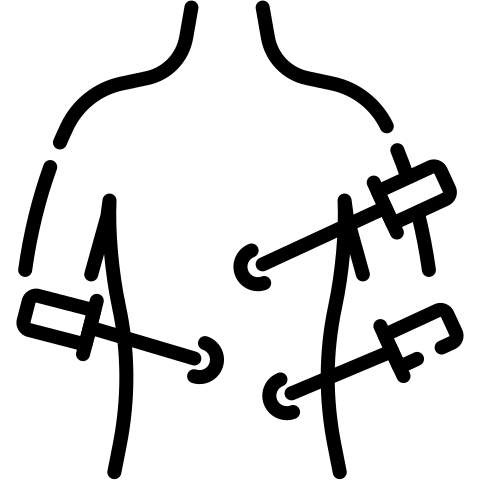
A detailed laparoscopic examination is performed by inserting a thin camera through a small abdominal incision to visually inspect the uterus, ovaries, fallopian tubes, and surrounding pelvic structures. This evaluation uses advanced surgical imaging tools to ensure accuracy and precision of internal reproductive diagnosis. Laparoscopic examination is an essential diagnostic step, as it determines the presence and severity of conditions such as endometriosis, fibroids, or adhesions affecting fertility.

A specialized surgical correction procedure is performed to simultaneously treat identified conditions such as removing endometriosis tissue, clearing blocked fallopian tubes, or excising fibroids under precise minimally invasive conditions. Advanced laparoscopic techniques ensure safety and accurate correction of reproductive abnormalities affecting conception. This stage focuses on resolving structural and anatomical conditions that may be directly interfering with natural conception and successful implantation potential.

The final stage of laparoscopy involves careful post-operative monitoring, recovery support, and follow-up consultations to assess surgical outcomes and plan the next steps in the fertility treatment journey. These observations help confirm healing progress and identify any concerns requiring timely intervention. Advanced post-operative follow-up ensures no recovery concern is overlooked, enabling the specialist to recommend the most effective and personalized fertility treatment pathway going forward.
Laparoscopy is a structured series of advanced surgical evaluation and treatment procedures designed to help couples identify and correct reproductive abnormalities and achieve a successful pregnancy. The process involves pre-surgical assessment, minimally invasive examination, targeted surgical correction, and specialized post-operative monitoring of reproductive health.

When a couple has been trying to conceive naturally for twelve months or more without success, laparoscopic evaluation is strongly recommended. Timely surgical assessment helps identify hidden structural causes and improves the chances of successful treatment.

Pelvic pain, painful periods, or prior endometriosis diagnosis may indicate deep tissue involvement affecting reproductive organs and fertility. Laparoscopy helps identify and surgically remove endometriosis tissue and guides appropriate fertility intervention.
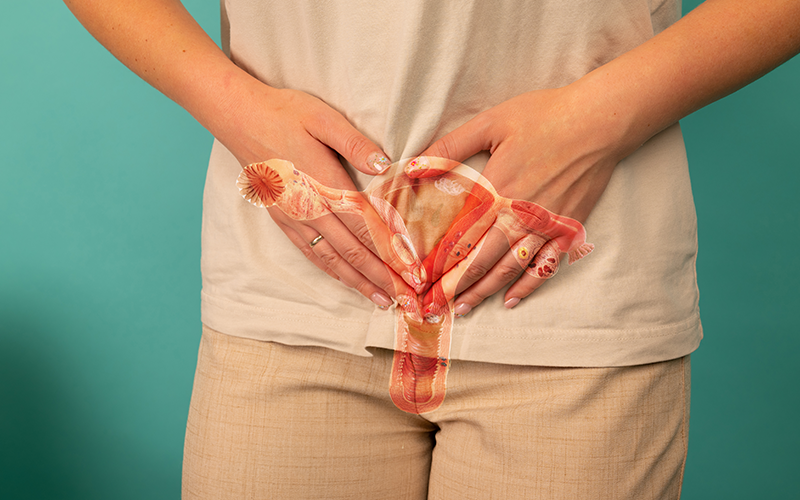
Blocked fallopian tubes, pelvic adhesions, or prior pelvic infections can reduce the chances of natural egg and sperm meeting. Laparoscopy helps identify and surgically correct tubal conditions to restore natural fertility potential.

When no clear structural cause of repeated pregnancy loss is identified, laparoscopy offers an effective solution by thoroughly investigating every possible uterine or pelvic anatomical factor.
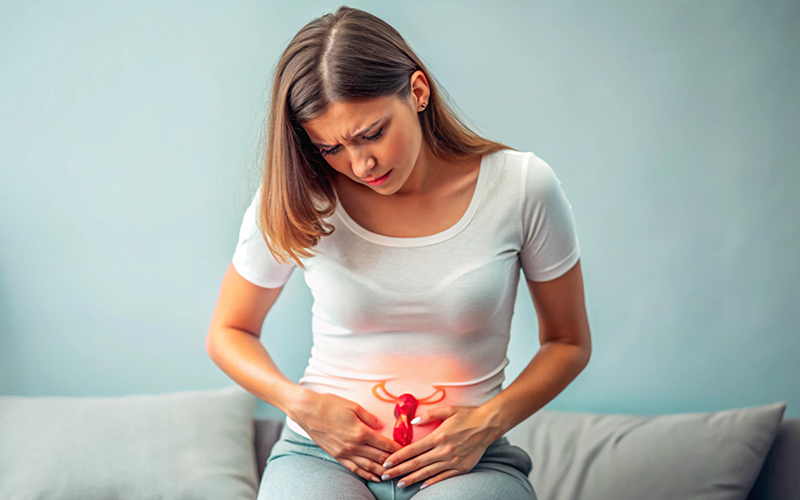
As uterine fibroids or ovarian cysts can silently impact fertility and implantation. Laparoscopy improves diagnostic accuracy by evaluating and treating these conditions under expert surgical supervision.

When existing routine diagnostic tests fail to identify a clear fertility cause, comprehensive laparoscopic evaluation is often recommended as the most effective next step for accurate internal diagnosis.
Find quick answers, or reach out to our support team for more help.
© 2026 All rights reserved by Queens IVF Clinic